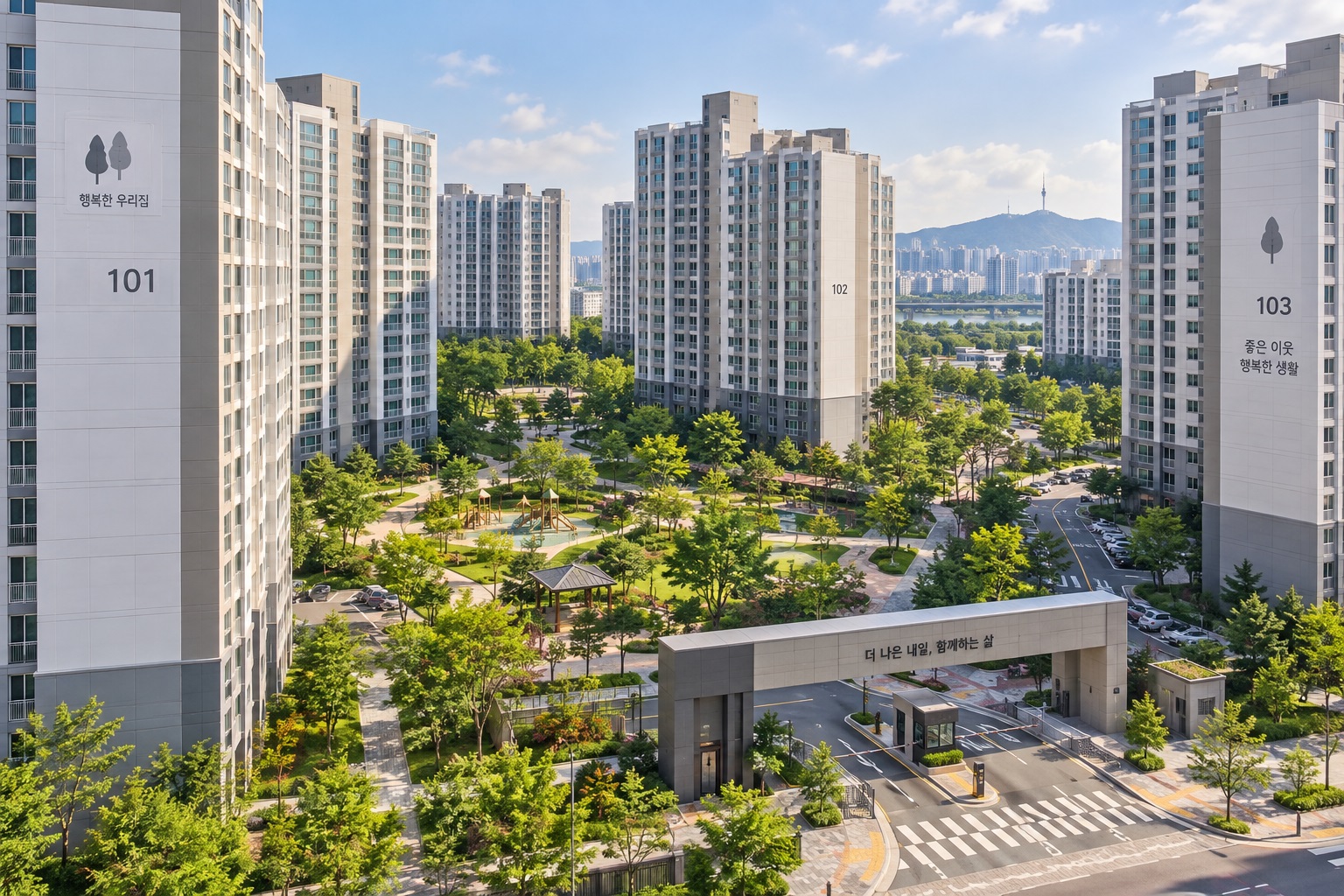
Your Korean apartment resident representative, known in Korean as a dong daepyo (동대표), is an elected neighbor who votes on how your building spends its money. If you have ever looked at a Korean management fee bill and wondered who decided those numbers, this is the answer — and it is almost never the management office staff you actually see.
Foreign residents in Korea usually meet two completely different sets of people in their apartment complex and assume they are the same thing. They are not. One is an apartment self-governance body with real financial power. The other is the bottom rung of city government. Here is how to tell them apart.
The Dong Daepyo: Your Building’s Elected Representative
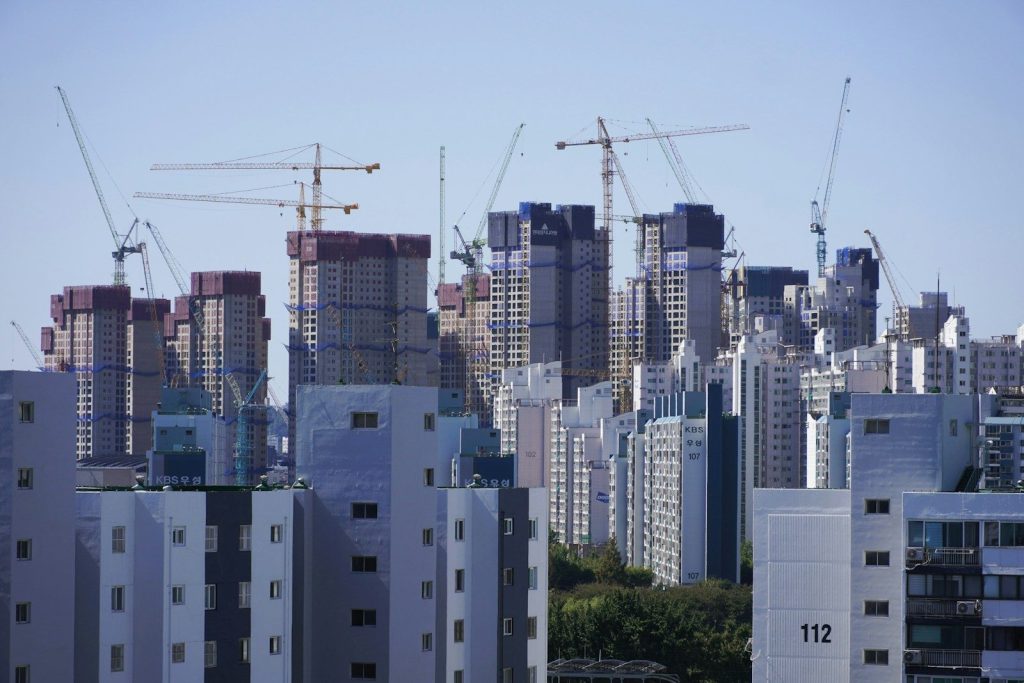
Korean apartment complexes are made up of numbered buildings, each called a dong (동). Residents of each dong elect one representative — the dong daepyo. Together, the representatives from every building form the ipjuja daepyo hoeui (입주자대표회의), usually translated as the resident representatives’ council.
This council is not a social club. Under Korea’s Multi-Family Housing Management Act, it is the decision-making body for the complex. It approves the annual management budget, signs off on the year-end accounts, votes on major repair work funded by the long-term repair reserve, decides whether community facilities like the senior center or library get outsourced, and can amend the complex’s own management rules.
The council elects its own officers — a chairperson, auditors, and directors — and its meeting minutes must be kept and made available for residents to inspect. If you have ever seen an election notice taped inside your elevator with photos and short candidate statements, that was a dong daepyo election.
Who can run, and for how long
- Term limits exist. Representatives serve fixed terms and face restrictions on serving repeatedly. The exact rules have been loosened over the years, particularly for smaller complexes that struggle to find candidates at all, so the specifics depend on your complex’s size and current regulations.
- Owners versus tenants. Korean law distinguishes between ipjuja (입주자, owners) and sayongja (사용자, tenants). Historically only owners could run, and tenant eligibility has been a long-running point of debate and gradual reform. If you are renting on a jeonse or monthly contract and want to know whether you can stand for election, check your complex’s management rules rather than assuming.
- Disqualifications are real. There are legal grounds that bar someone from serving, including certain criminal convictions related to housing management.
Why This Matters More Than It Sounds
The council controls real money. Management fees, cleaning contracts, security contracts, elevator maintenance, exterior painting — these flow through decisions this body makes. In a large complex, that adds up to a substantial annual budget controlled by a handful of unpaid neighbors.
Predictably, this generates conflict. A Korean press analysis of court records found thousands of finalized rulings involving resident representative councils over a seven-year period, with hundreds in a single two-year stretch. Seoul produced the most cases, followed by Busan and Incheon. The charges ranged widely, but a large share were defamation and insult cases — disputes that started as personal friction in meetings and escalated into criminal complaints.
None of this means your complex is dysfunctional. It does mean that if you have a serious complaint about how your building is run, the council is the body that can actually change it, and the management office is generally carrying out its decisions rather than making them. For a breakdown of what you are actually paying for, see our guide to Korean apartment management fees.
The Tongjang: Not an Apartment Position at All
Here is where most foreign residents get confused. The tongjang (통장) is not part of your apartment’s governance. It is part of the city.
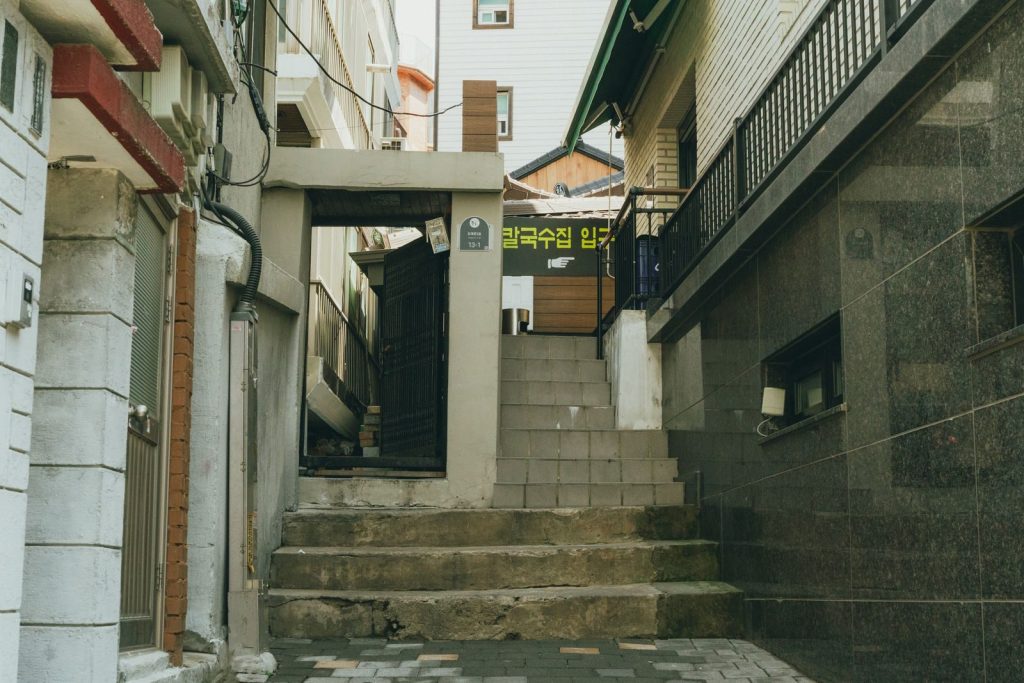
Every Korean administrative district is subdivided into neighborhoods called dong — confusingly, the same word used for apartment buildings, but a completely different unit. Each neighborhood dong is divided into tong (통), and each tong into ban (반). Your apartment complex might happen to be one tong, or several. A row of detached houses down the street is organized exactly the same way.
The tongjang is appointed by the head of the neighborhood office and serves as the link between city administration and residents. Typical duties include distributing official notices and bills, assisting with resident registration surveys, passing local concerns up to the district office, and helping identify vulnerable households during emergencies. During the COVID-19 period, tongjang across the country handled mask distribution, guided elderly residents through vaccine appointment registration, and helped with disaster relief payment applications.
The legal footing for the position was tightened in 2022, when revisions to the Local Autonomy Act shifted tongjang from being “commissioned” to being formally appointed by the neighborhood office head. Compensation is modest and set by each district’s own ordinance, so it varies considerably across the country.
And the Banjang? Increasingly Hard to Find
Below the tongjang sits the banjang (반장), who traditionally assisted the tongjang, delivered bills and notices, helped with household surveys, and ran the bansanghoe (반상회) — the neighborhood meeting that was once a fixture of Korean residential life.
The honest answer is that the banjang is fading. Several districts have trimmed or removed banjang-related provisions from their ordinances entirely, in some cases explicitly deleting positions that had become nominal. In older low-rise neighborhoods and long-established residential districts, you may still find an active banjang. In many modern apartment complexes, the position exists on paper or not at all, and residents go years without encountering one.
If someone knocks on your door in a Korean apartment complex with paperwork, it is most likely the tongjang or a management office staff member — not a dong daepyo, who has no reason to be delivering anything to your door.
Quick Comparison
| Dong daepyo | Tongjang | |
|---|---|---|
| Belongs to | Your apartment complex | City government |
| Chosen by | Elected by residents | Appointed by neighborhood office |
| Controls | Management budget, contracts, repairs | Nothing financial — administrative liaison |
| Found in | Apartment complexes only | Everywhere, including houses |
What To Do With This
If you are living in a Korean apartment long-term, three things are worth knowing. First, your management fee is set by an elected body you can attend and question, not by an anonymous corporation. Second, that body’s meeting minutes are inspectable — you have a right to see how decisions were made. Third, the person handing you a government notice is a different person entirely, with no authority over your building.
For the bigger picture of how Korean apartment living actually works, start with our overview of Korean apartments, which covers everything from building layout to why almost everyone lives in one.
Image credits: Pexels / Unsplash via Instant Images.