What Is a Goshiwon? Korea’s Smallest Kind of Home
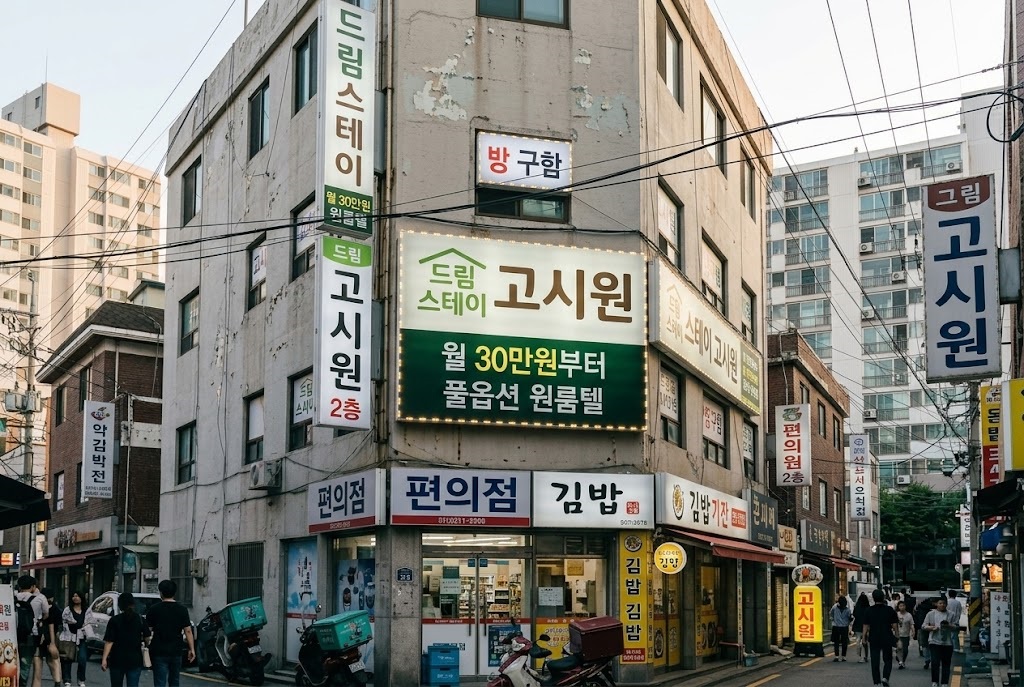
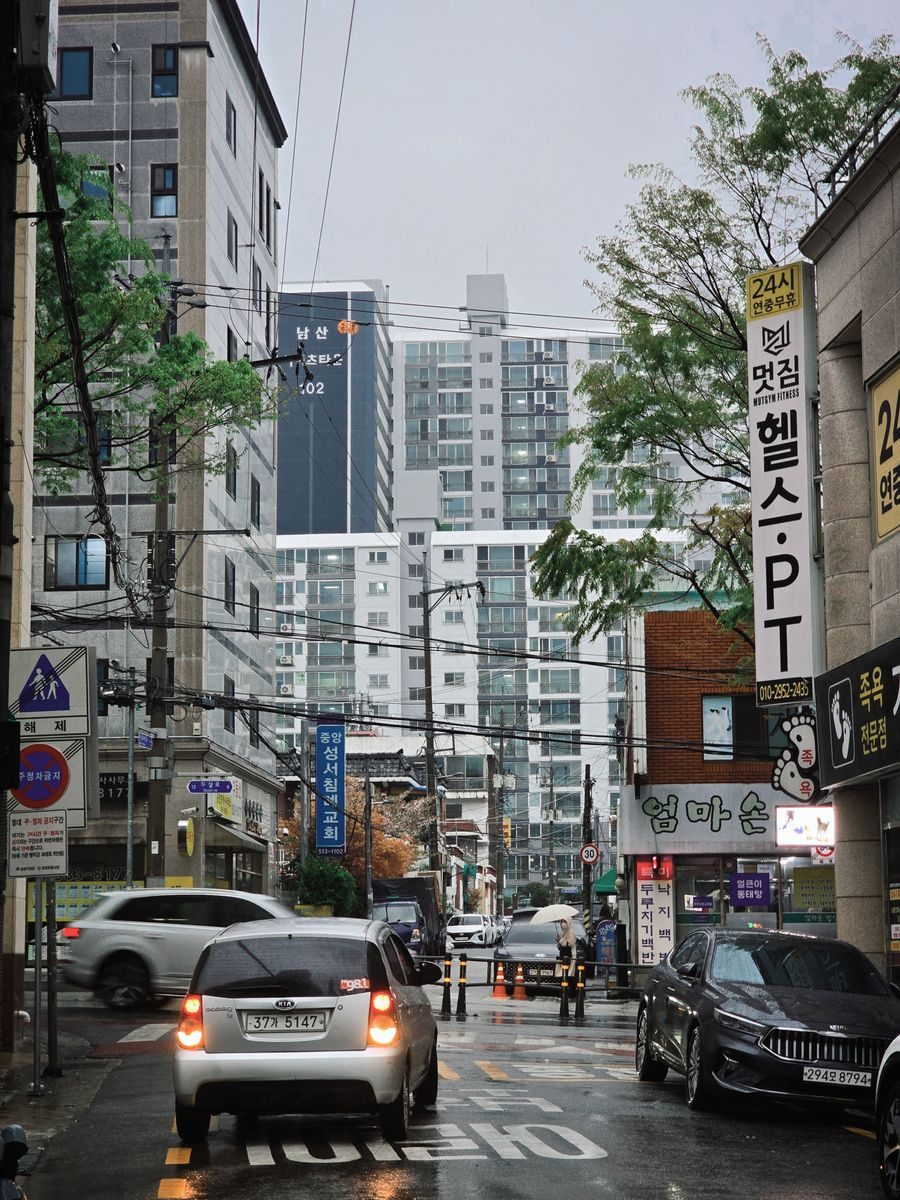
A street sign for a fictional Korean gosiwon (exam prep housing).

What is a goshiwon? A room, usually just large enough for a single bed and a desk, rented by the month with no deposit and no contract negotiation. You pay, you move in, and you can leave without months of notice. For anyone who has read our guide to monthly rent in Korea, the appeal … Read more
Monthly Rent in Korea: The Deposit, the Paperwork, and the Traps

Three adults examining a house for rent sign outdoors, depicting diverse and inclusive interest in rental properties.

Monthly rent in Korea works on a system most newcomers have never encountered: you hand over a large lump sum before you move in, and you get it back when you leave. The monthly payment sits on top of that. This arrangement is called wolse (월세), and it is what most foreign residents in Korea … Read more

Utility Bills in Korea: What Nobody Tells You About Living in a House

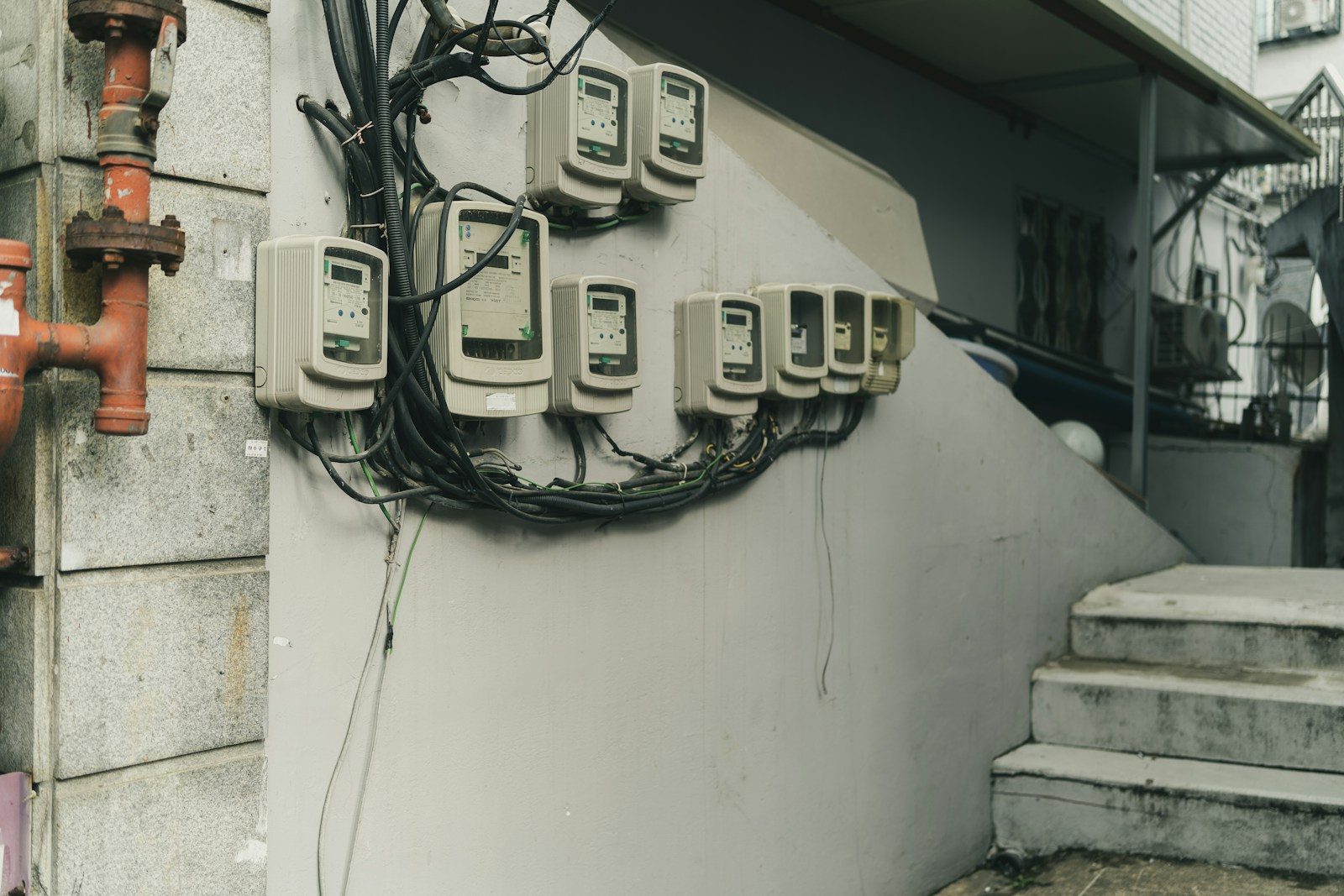
Utility meters on the exterior of a Korean house

Utility bills in Korea arrive one at a time, from three different places, on three different schedules. Water, electricity, gas. Nobody bundles them for you, and nobody explains this when you sign a lease. If you live in an apartment complex, much of this is absorbed into a single monthly statement from the building’s management … Read more

Who Actually Runs Your Korean Apartment? Dong Daepyo, Tongjang, and Banjang Explained

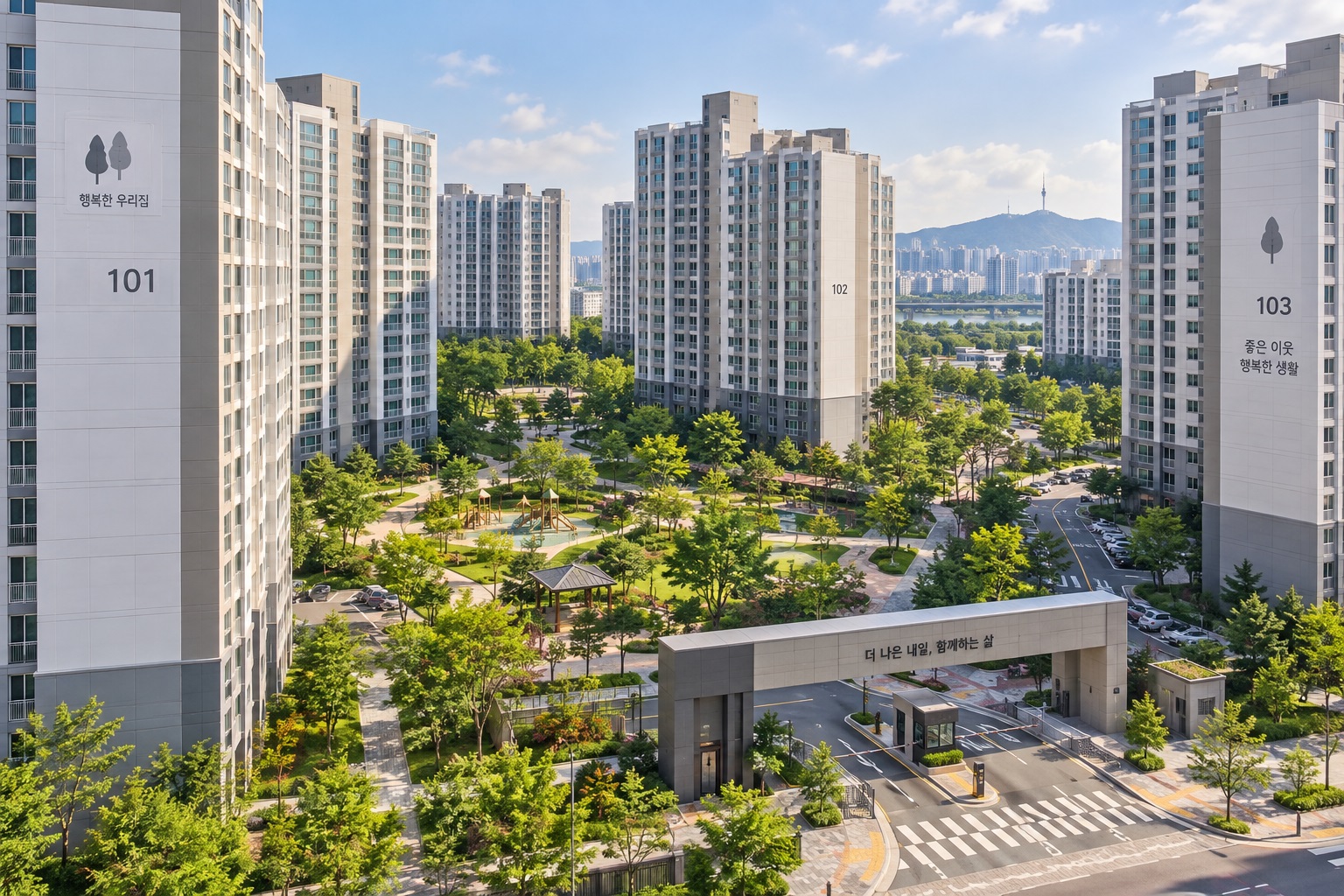
Numbered residential towers in a large Korean apartment complex

Your Korean apartment resident representative, known in Korean as a dong daepyo (동대표), is an elected neighbor who votes on how your building spends its money. If you have ever looked at a Korean management fee bill and wondered who decided those numbers, this is the answer — and it is almost never the management … Read more

Korean Apartment Management Fees: What Gwallibi Actually Covers

Korean apartment complex with numbered towers, where residents pay monthly apartment management fees

You found an apartment. The monthly rent is settled. Then the first bill arrives, and it is not rent — it is gwallibi (관리비), and it is a document with about twenty line items on it, none of them in English. Korean apartment management fees are the part of Korean housing that nobody warns foreign … Read more

Jeonse: Korea’s Disappearing Deposit System, Explained

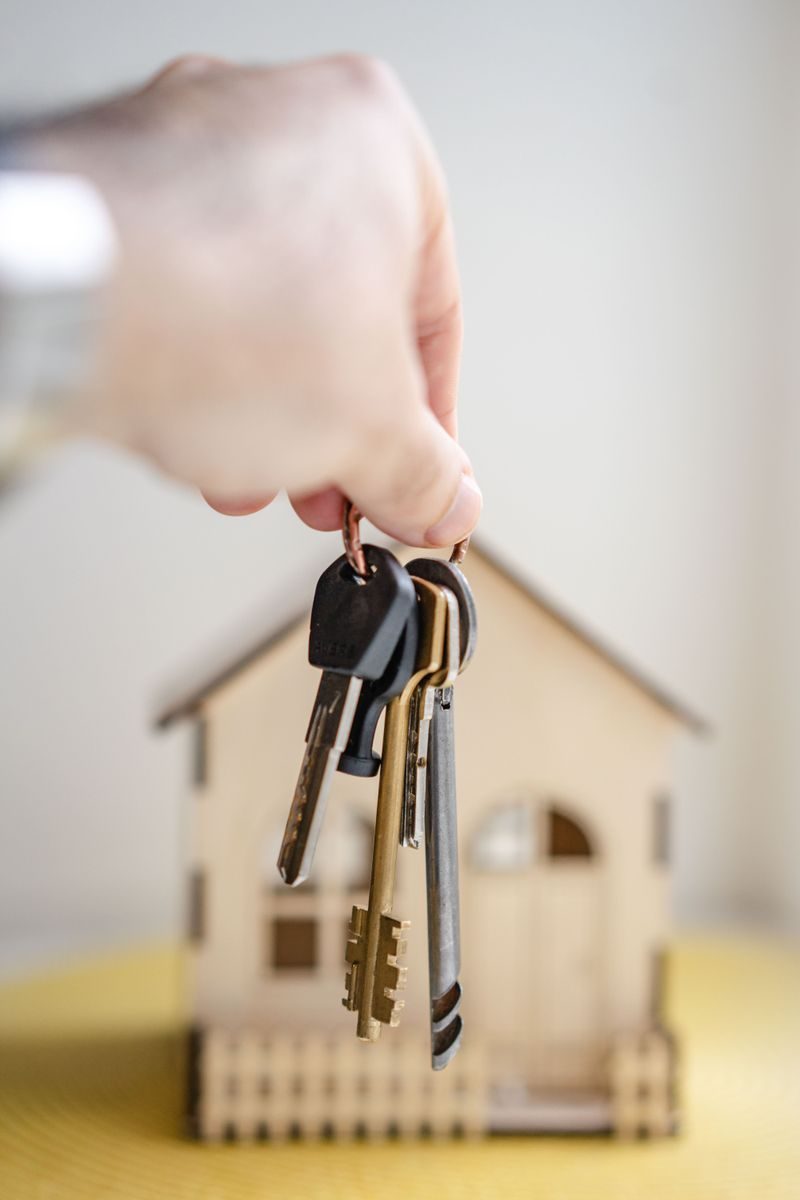
The landlord gives the house keys to the tenant under the lease agreement.

Every English-language guide to living in Korea explains jeonse (전세) the same way: instead of paying monthly rent, you hand the landlord an enormous lump sum, live there for two years, and get all of it back when you leave. No rent. Just a deposit. It sounds impossible, and it is one of the genuinely … Read more

Korean Apartments: Why Half the Country Lives in Towers

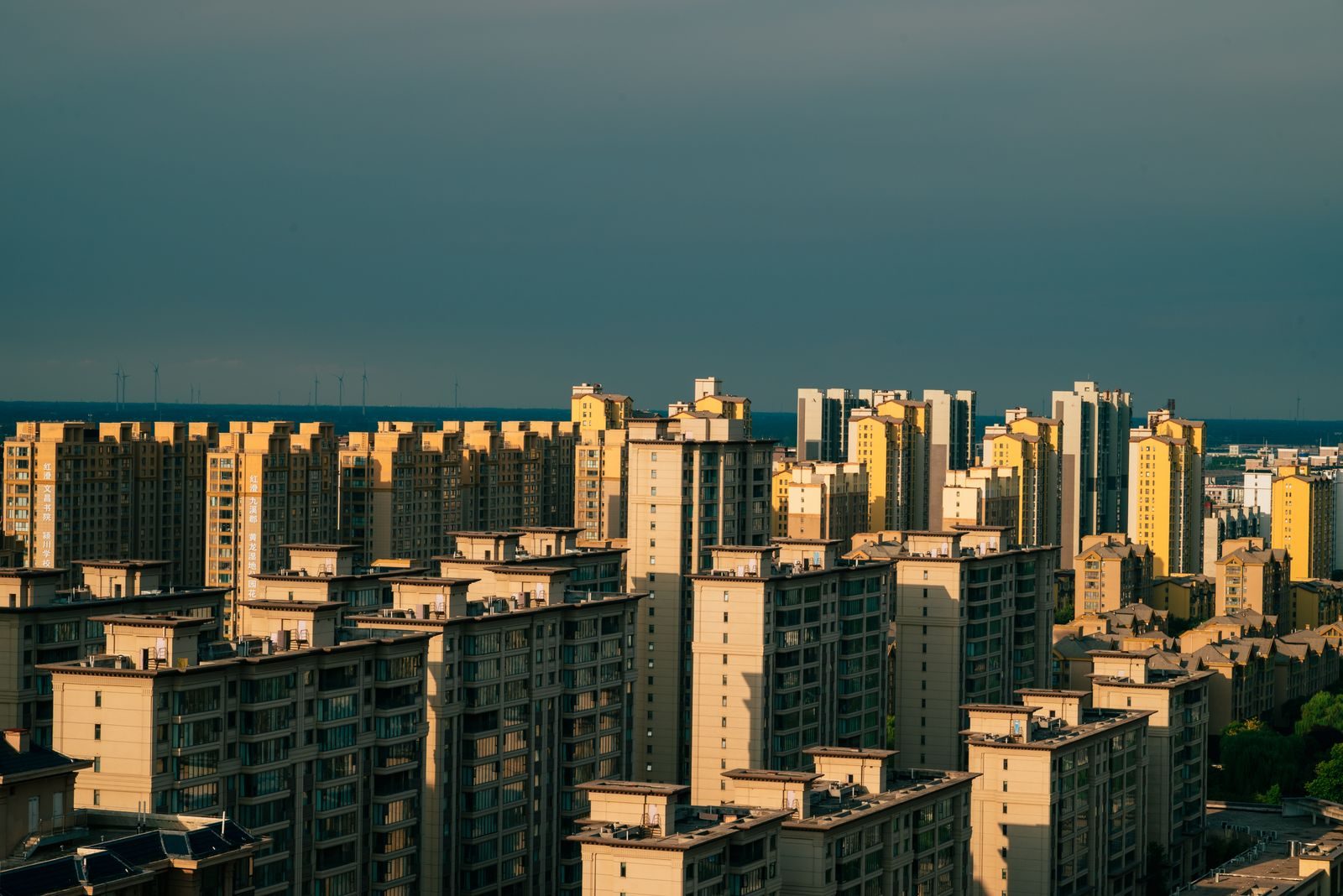
Rows of identical high-rise residential towers seen from below

Fly into Incheon, take the train toward Seoul, and you will pass them for forty minutes without a break — identical towers in blocks of eight or twelve, numbered in enormous digits on their sides, repeating across the landscape. Visitors often read this as bleak. Korean apartments house roughly half the country’s population, and the … Read more