Kimjang: How Korea Makes a Whole Winter of Kimchi in One Day
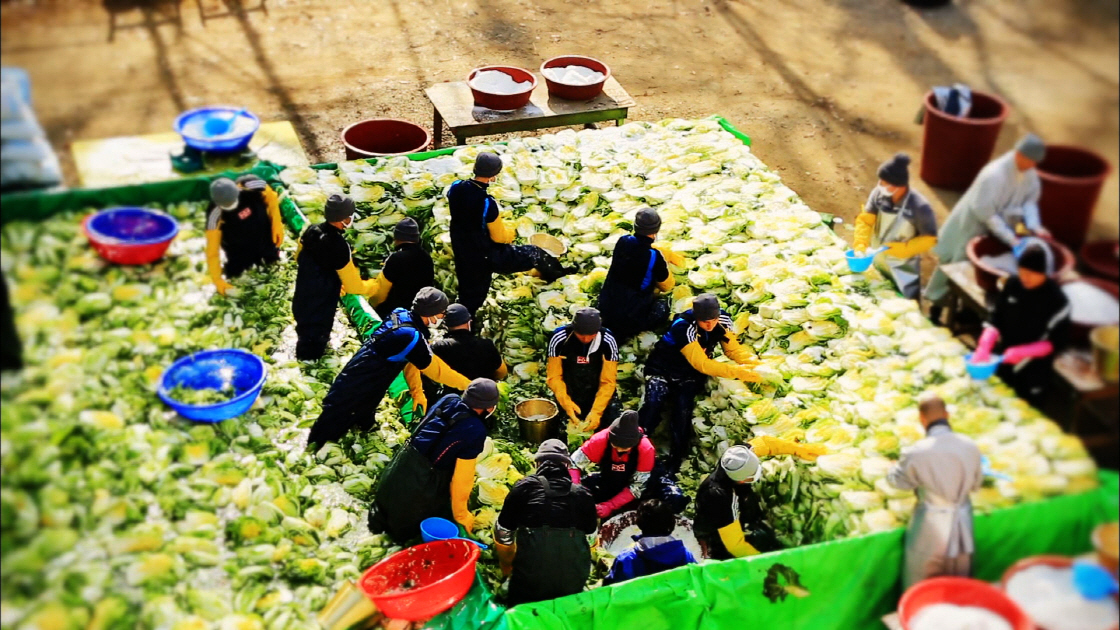
People sitting together around a large mat spreading red seasoning onto salted napa cabbage during kimjang in Korea

Kimjang is the Korean tradition of making a whole winter’s supply of kimchi in one go, usually in late November or early December. For generations, it was one of the biggest events in a Korean household’s year. Relatives gathered, neighbors helped each other, and dozens or even hundreds of heads of napa cabbage were salted, … Read more
Pepero Day: Why Korea Gives Chocolate Sticks on November 11

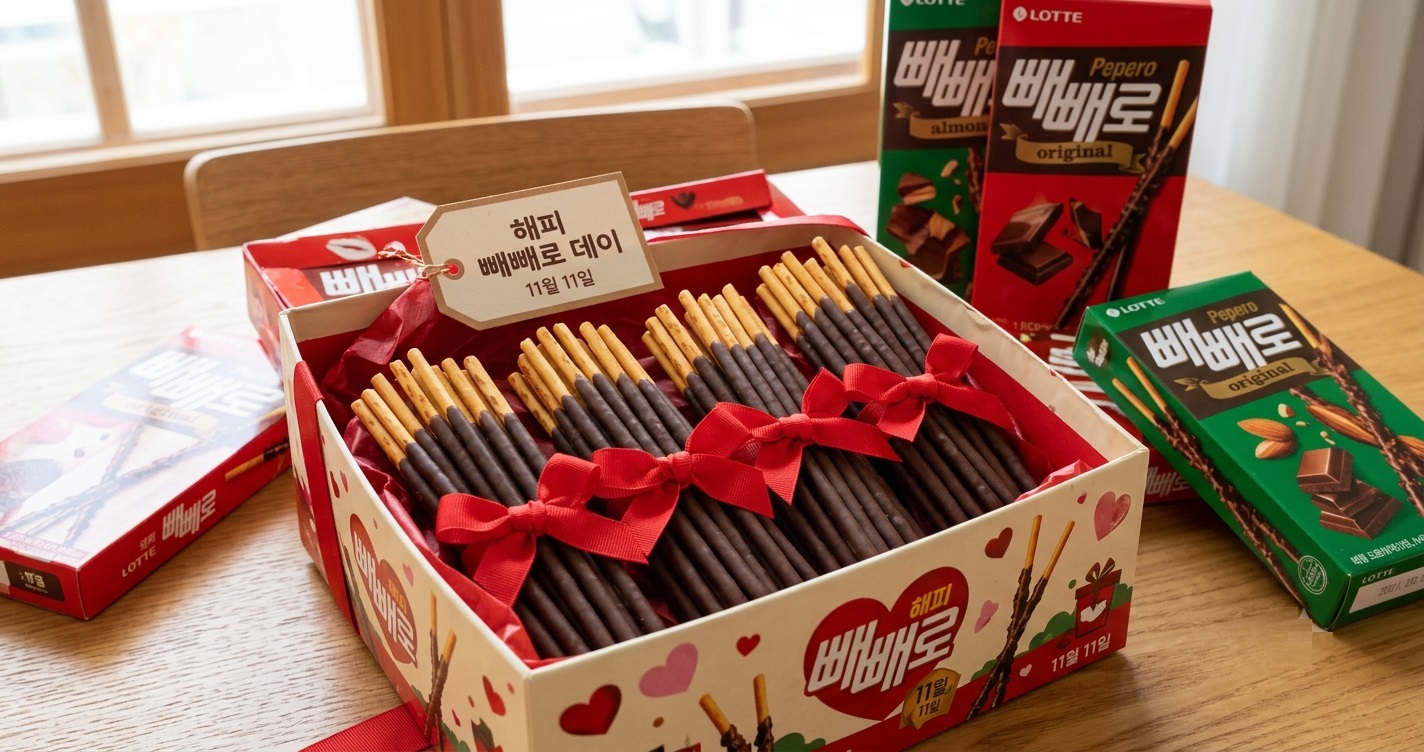
Chocolate-dipped biscuit sticks tied with a red ribbon in an open gift box for Pepero Day in Korea

Pepero Day falls on November 11, and if you are in Korea in early November, you cannot miss it. Convenience stores stack towers of gift boxes by the door. Schoolchildren carry paper bags full of chocolate-dipped biscuit sticks. Couples exchange boxes tied with ribbons, and office workers leave a few packs on a coworker’s desk. … Read more

Suneung: The Day Korea Stops for One Exam

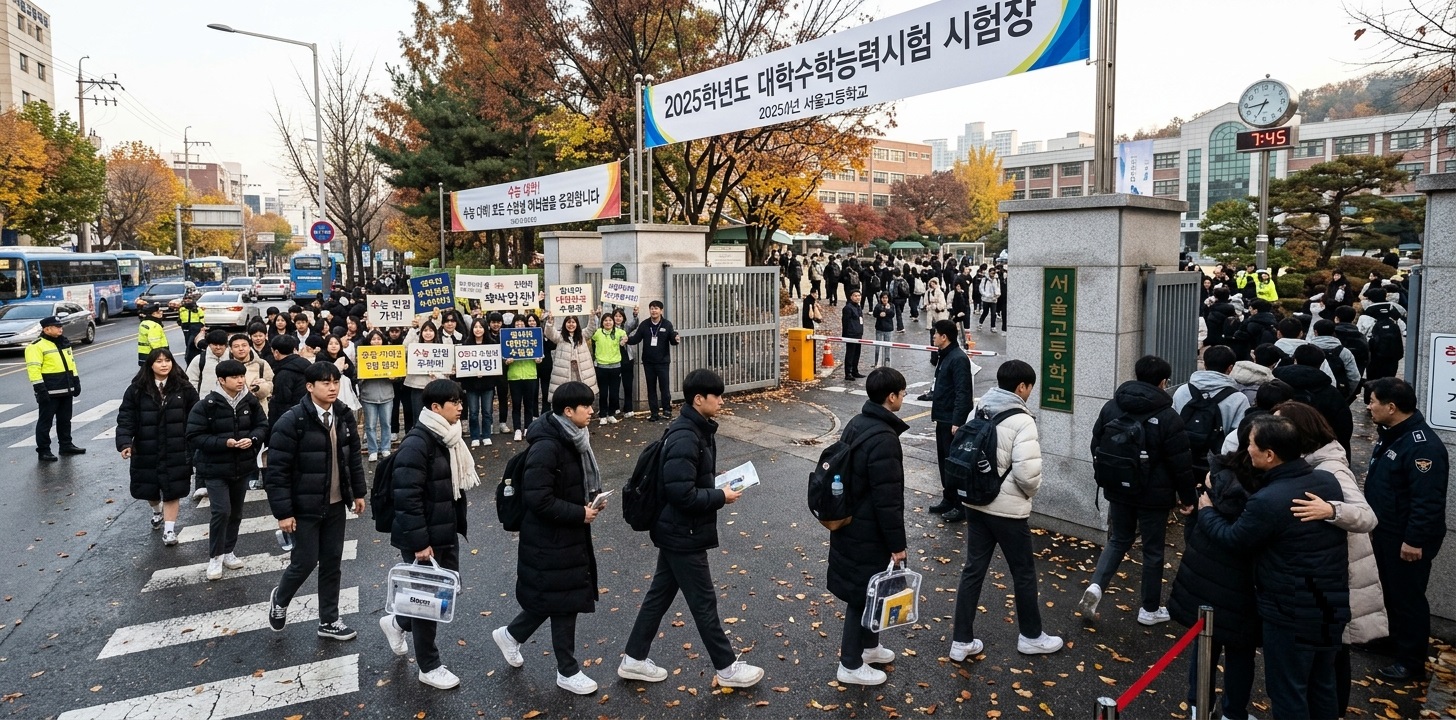
High school students in winter coats walking into a school gate on a cold early morning while younger students cheer

Suneung is the one day a year when an entire country rearranges itself around a single exam. Planes stop taking off. Offices open an hour late. The stock market waits. Police officers on motorbikes race late students to their test sites, and younger students stand outside school gates in the cold, cheering for seniors they … Read more

How to Play Ddakji: Fold, Flip, and Win the Korean Paper Tile Game

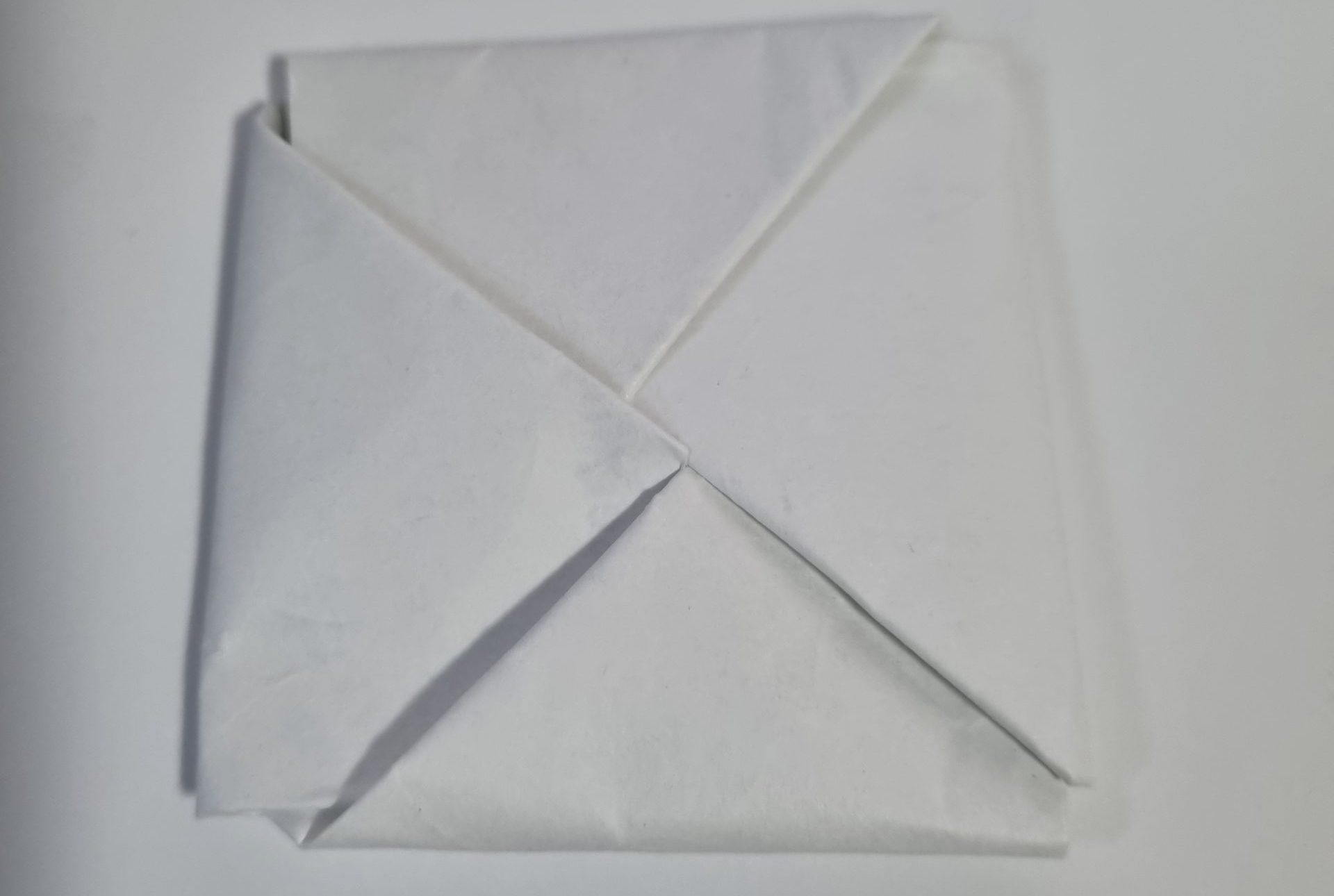
A finished white ddakji paper tile folded from two sheets

Learning how to play ddakji takes about two minutes. Getting good at it takes a whole childhood. Ddakji (딱지) is the Korean paper tile game where you slam your own folded tile onto the ground and try to flip your opponent’s tile over. Most people outside Korea met it in the opening episode of Squid … Read more

Where Korean Kids Got Their Toys in the 1980s

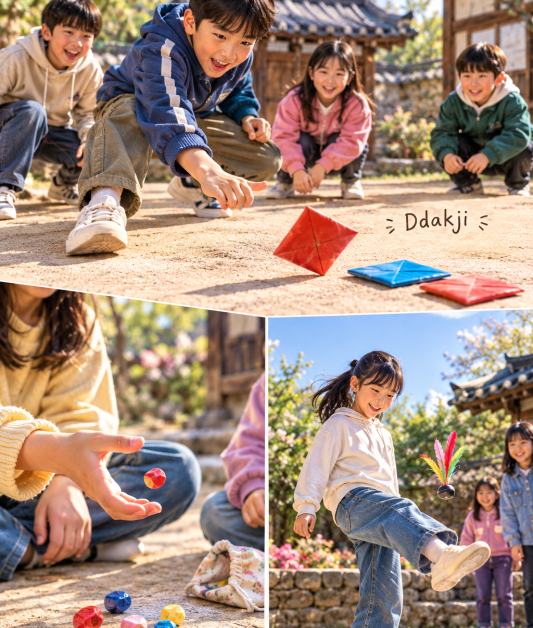
Games commonly played by Korean children, such as *ttakji-chigi* (paper tile flipping), *gonggi-nori* (jackstones), and *jegi-chagi* (shuttlecock kicking).

Most articles about Korean childhood games list the games. This one is about where the equipment came from, because that turns out to explain more. I grew up in Incheon in the 1980s and 90s. Looking back at what we played, the games sort cleanly into three groups — and the sorting has nothing to … Read more

What Is a Goshiwon? Korea’s Smallest Kind of Home

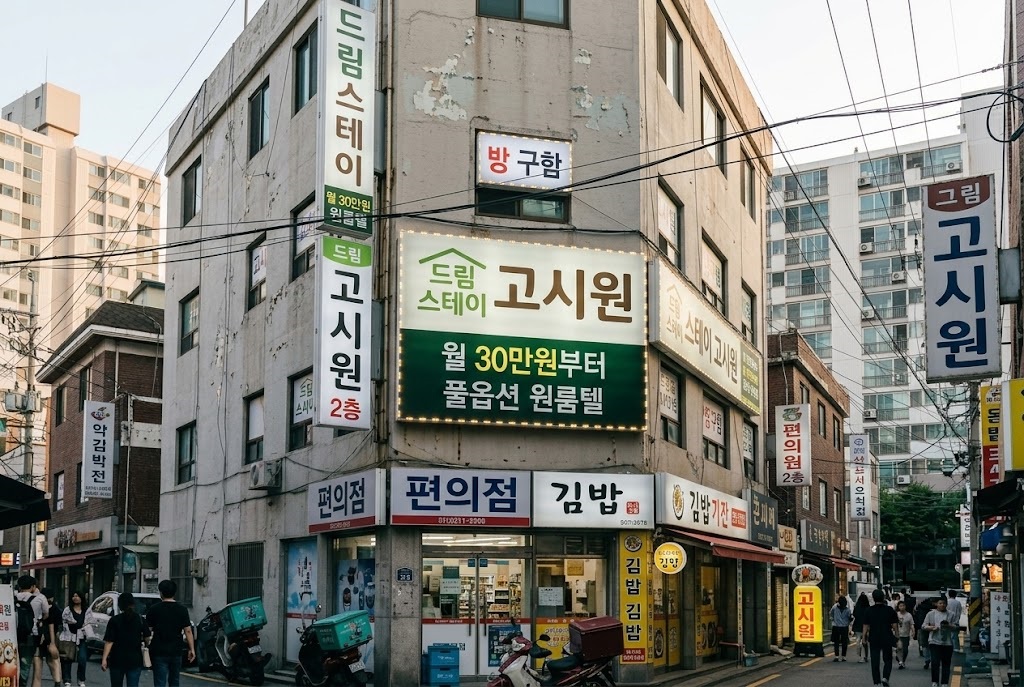
A street sign for a fictional Korean gosiwon (exam prep housing).

What is a goshiwon? A room, usually just large enough for a single bed and a desk, rented by the month with no deposit and no contract negotiation. You pay, you move in, and you can leave without months of notice. For anyone who has read our guide to monthly rent in Korea, the appeal … Read more

Monthly Rent in Korea: The Deposit, the Paperwork, and the Traps

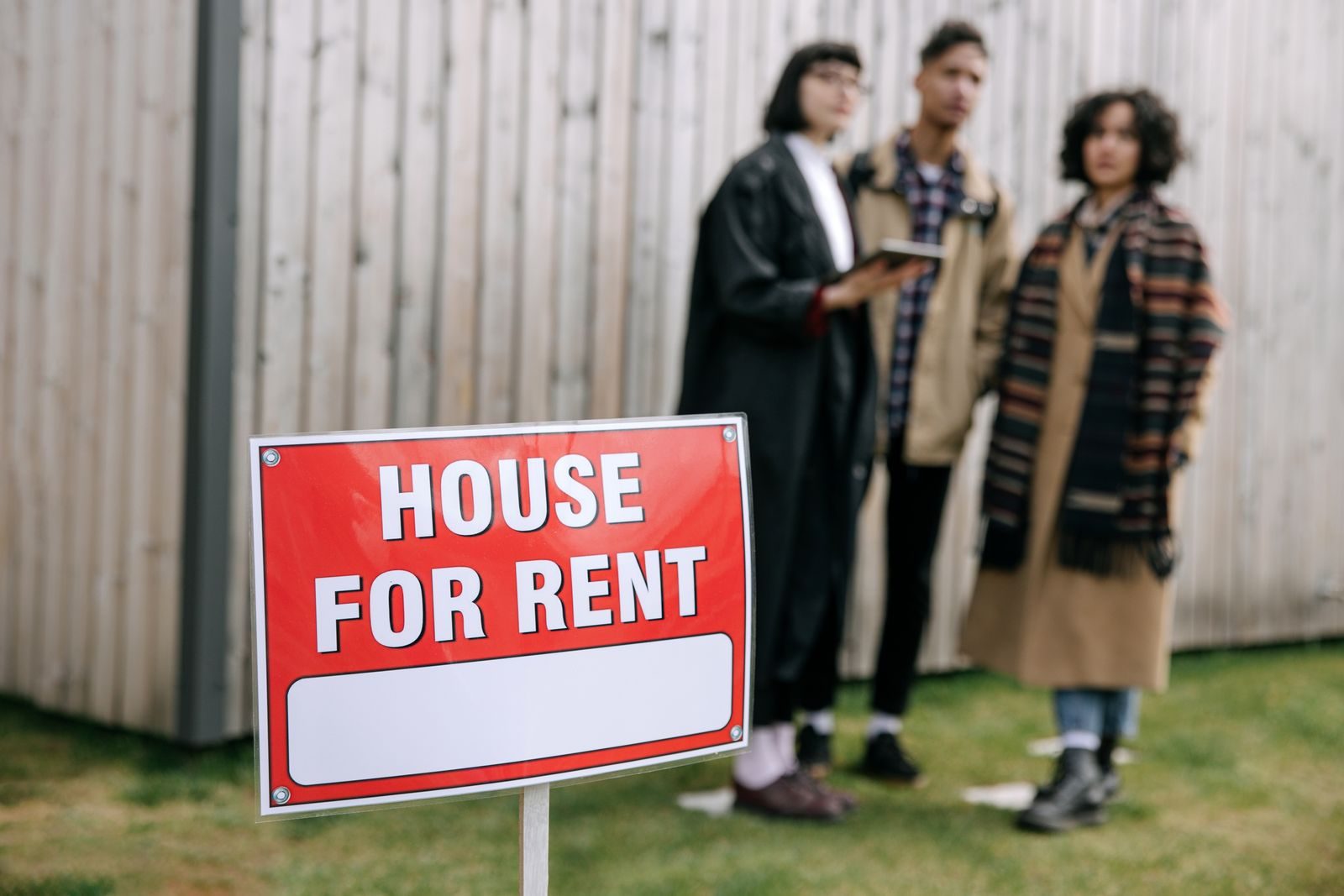
Three adults examining a house for rent sign outdoors, depicting diverse and inclusive interest in rental properties.

Monthly rent in Korea works on a system most newcomers have never encountered: you hand over a large lump sum before you move in, and you get it back when you leave. The monthly payment sits on top of that. This arrangement is called wolse (월세), and it is what most foreign residents in Korea … Read more

Utility Bills in Korea: What Nobody Tells You About Living in a House

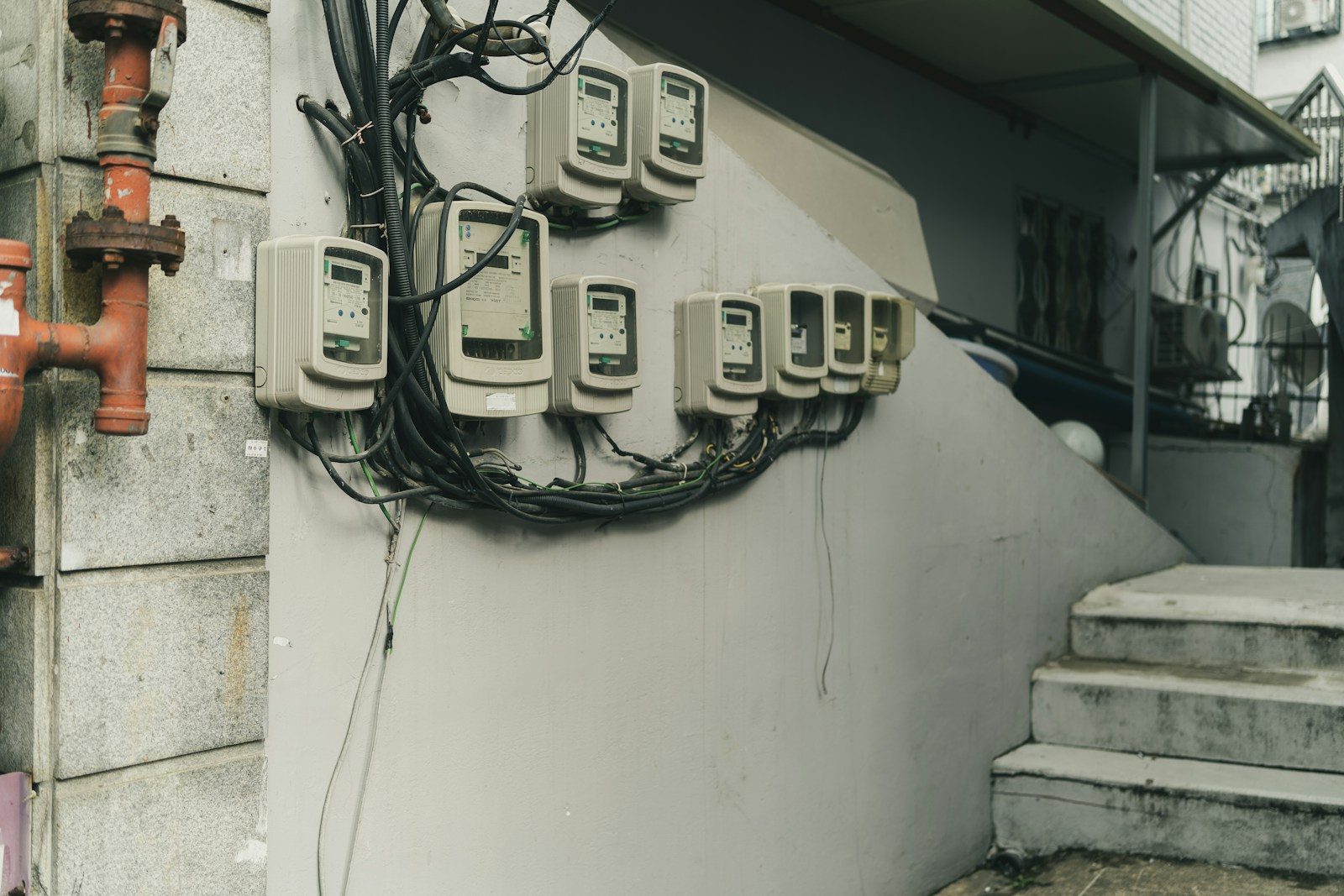
Utility meters on the exterior of a Korean house

Utility bills in Korea arrive one at a time, from three different places, on three different schedules. Water, electricity, gas. Nobody bundles them for you, and nobody explains this when you sign a lease. If you live in an apartment complex, much of this is absorbed into a single monthly statement from the building’s management … Read more

Bulky Waste Disposal in Korea: Why You Can’t Just Leave It on the Curb

Urban street scene in Seoul featuring a person and street elements on a sunny day.

Bulky waste disposal in Korea works nothing like the bulk pickup day most Western residents grew up with. There is no fixed Tuesday when the city takes whatever you drag to the curb. Anything large has to be paid for first, and then it has to carry proof that you paid. That proof is a … Read more

Moving in Korea: The Three Service Tiers, the Ladder Truck, and the Price Demand to Watch For

brown cardboard boxes on brown wooden table

Moving in Korea starts with a choice most foreign residents do not know they are making: which of three service tiers you hire. The gap between them is large — in price, in how much work you do yourself, and in how exposed you are to a specific problem that Korea’s own consumer agency has … Read more