How Koreans Actually Eat: Beyond the Korean BBQ Table
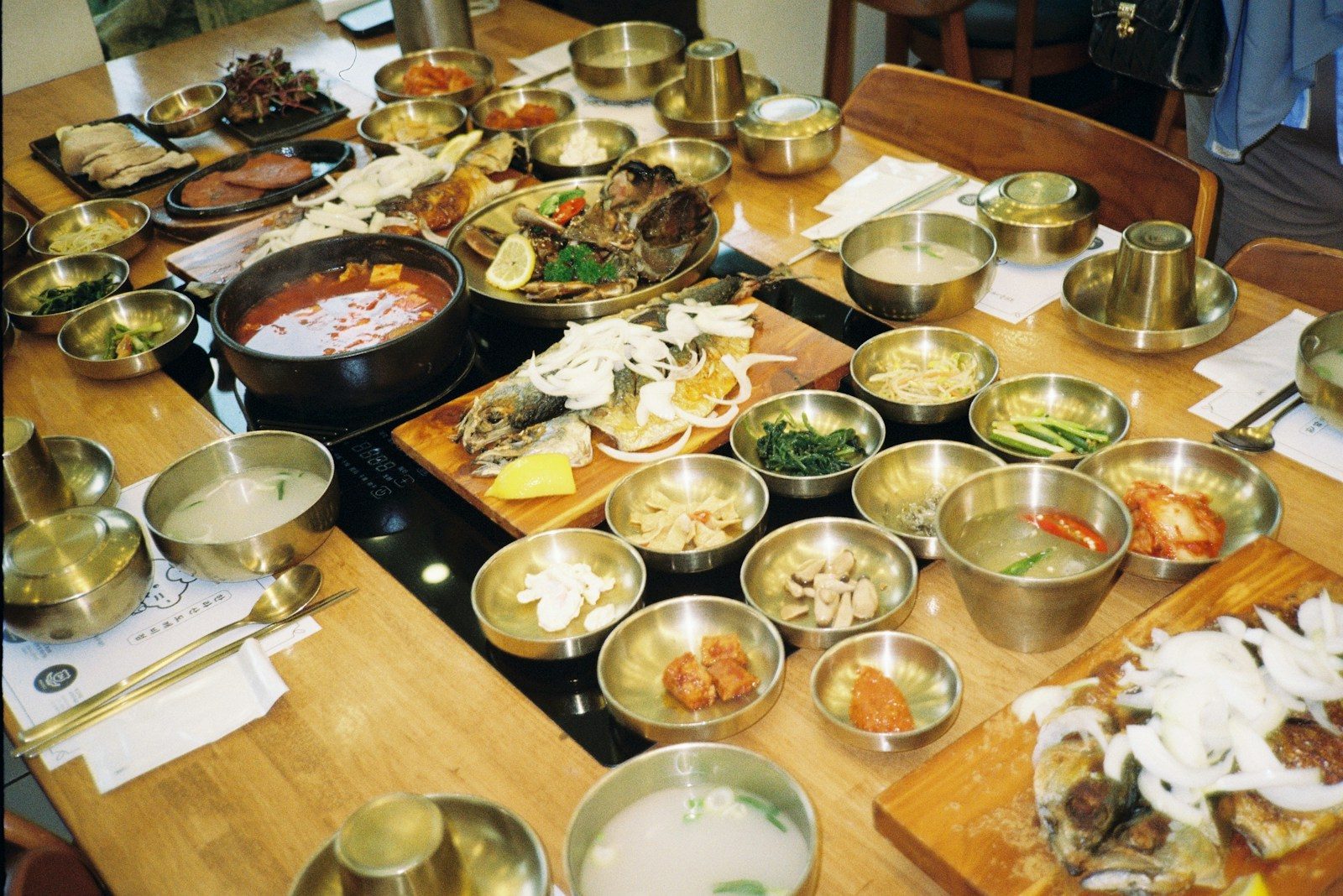
A Korean home meal with rice, stew and side dishes

How Koreans eat at home looks almost nothing like the Korean food that reaches the rest of the world. The grill in the middle of the table, the tongs, the sizzle — that is a night out. It is real, it is enjoyable, and it is not what Tuesday dinner looks like. Tuesday dinner is … Read more
Gyeran-ppang: The Korean Egg Bread CNN Just Named One of the World’s Best

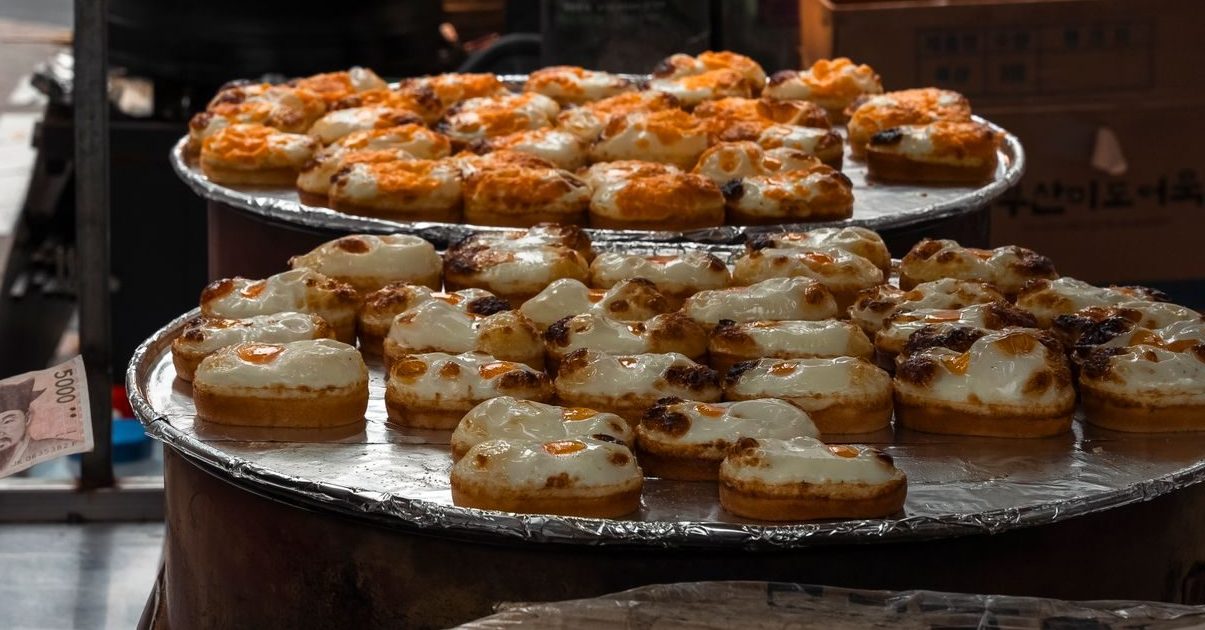
Golden oblong Korean egg bread with a whole egg baked into the top

Korean egg bread, called gyeran-ppang (계란빵) in Korean, is the warm, oblong street snack that lines winter markets and subway exits across the country. The name is literal: gyeran means “egg” and ppang means “bread,” and that is exactly what you get — a soft, pancake-style loaf with a whole egg baked right into it. … Read more

Bungeoppang: The Fish-Shaped Snack Born From Hard Times

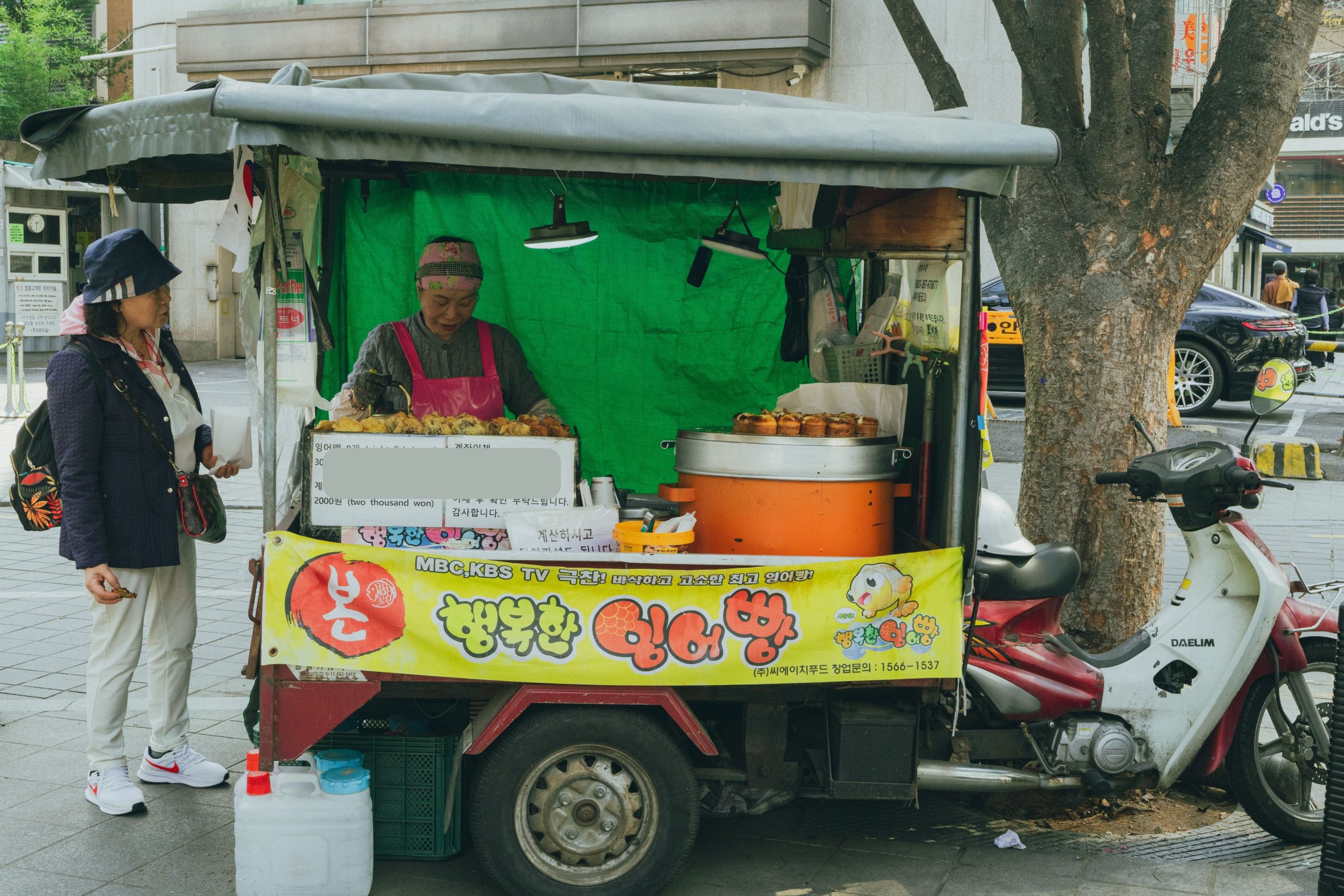
Authentic Korean street food stand in Seoul, serving traditional fish-shaped bread snacks.

Before I could read, I already knew the shape a food cart could make. A wooden pushcart, a hot iron mold, and the smell of batter turning golden — bungeoppang, fish-shaped pastries filled with sweet red bean, sold by vendors who were, more often than not, doing it because times were hard, not because it … Read more

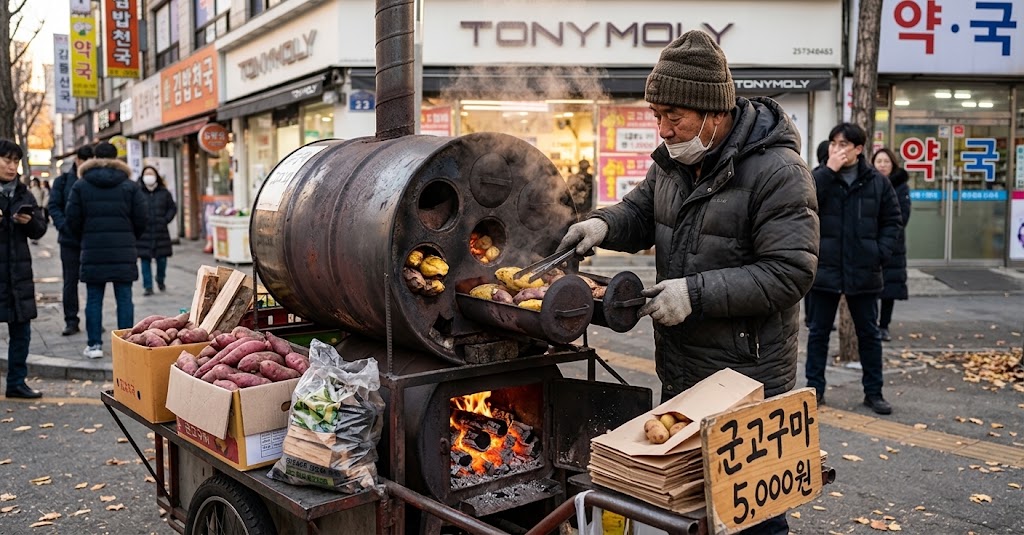
Korean Street Roasted Sweet Potato: The Drum Cart Behind Gun-Goguma

korean roasted sweet potato street cart

The smell reaches you before the cart does — something between caramel and woodsmoke, drifting from a rusted oil drum punched with holes and mounted on a wheeled cart. I remember passing one as a kid, an old man tending a fire inside the drum, and stopping just to breathe it in. Korean street roasted … Read more

Korean Cafe Culture: Why Nobody Will Ask You to Leave

Korean cafe culture has one detail that startles almost every foreign visitor within the first week: people leave their laptops on the table and walk away. Not tucked under a jacket. Open, unlocked, screen glowing, next to a phone and a wallet, while the owner goes to the bathroom two floors down. Nobody watches it. … Read more

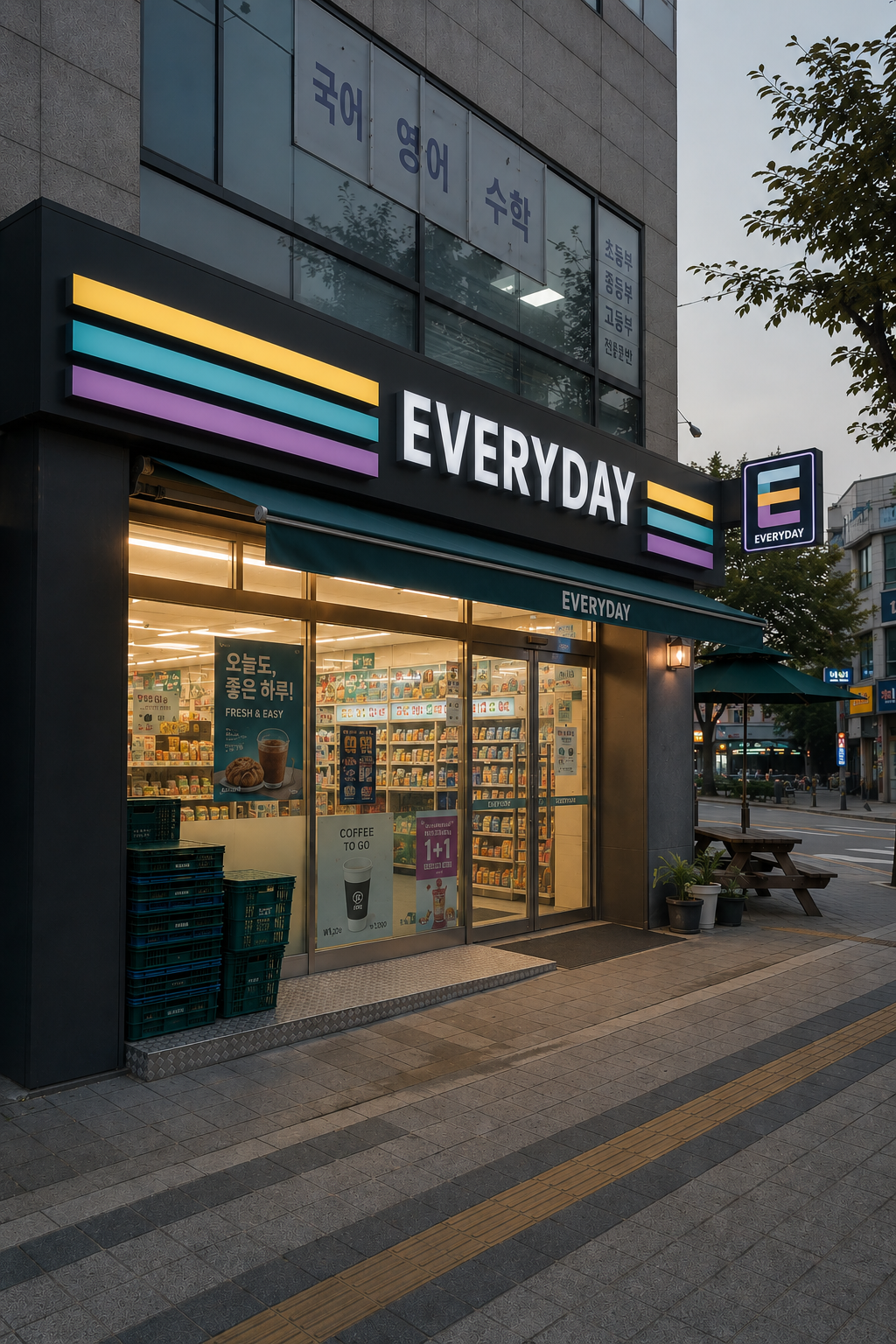
Korean Convenience Stores: What to Buy and How to Use Them

The exterior of a convenience store frequently seen on a fictional Korean street

Korean convenience stores are not the same category of business as convenience stores in most countries. They are closer to a combination of a small grocer, a fast food counter, a cafe, a parcel office, and a place people genuinely eat meals — often at a counter by the window, at two in the morning. … Read more

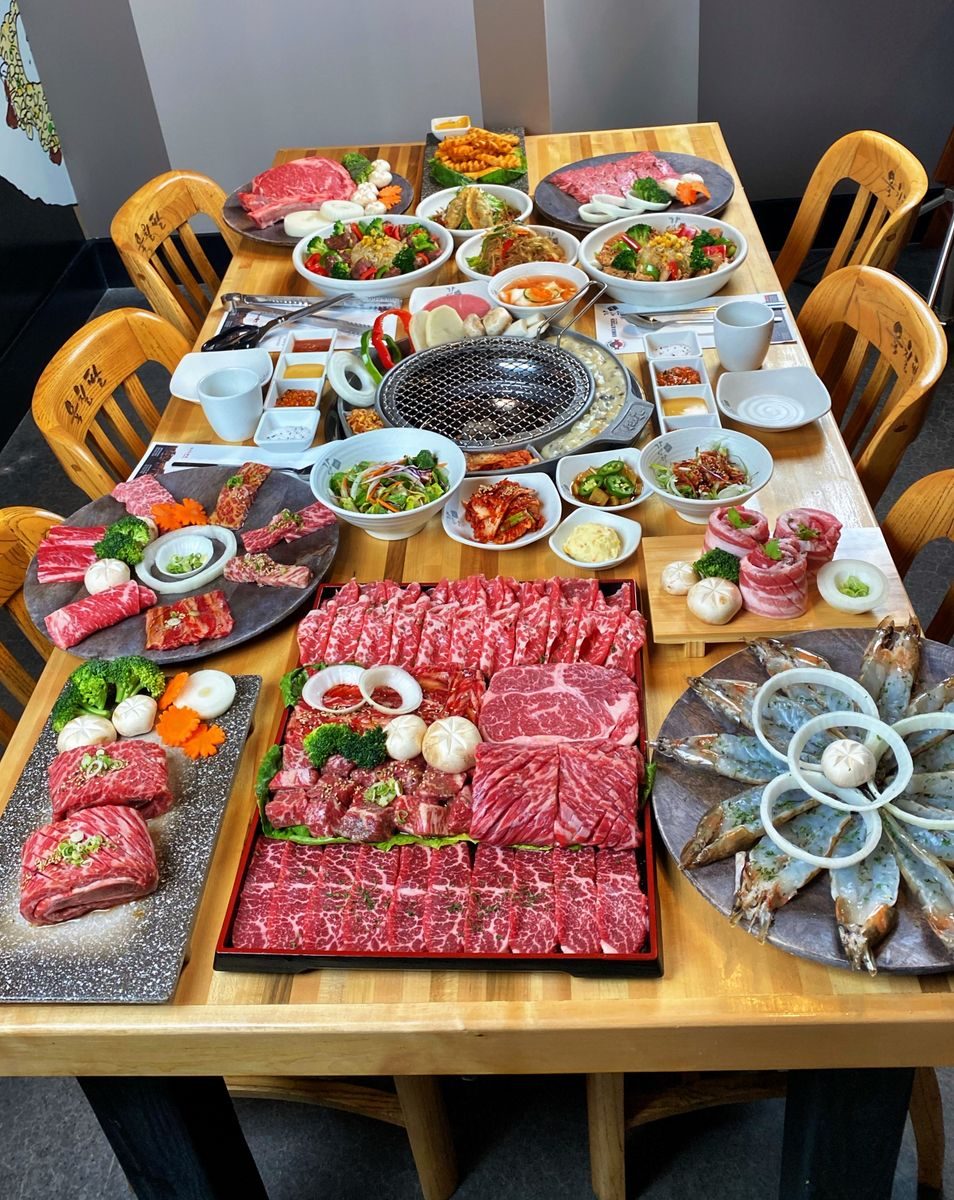
Korean Restaurant Etiquette: What Nobody Tells You Before You Go

A table set with multiple small dishes and shared plates

Korean restaurant etiquette involves a handful of conventions that nobody explains, because everyone here grew up with them. Most of them are the opposite of what you would expect coming from a Western restaurant, and getting them wrong tends to make visitors more cautious than they need to be. The Side Dishes Are Free, and … Read more

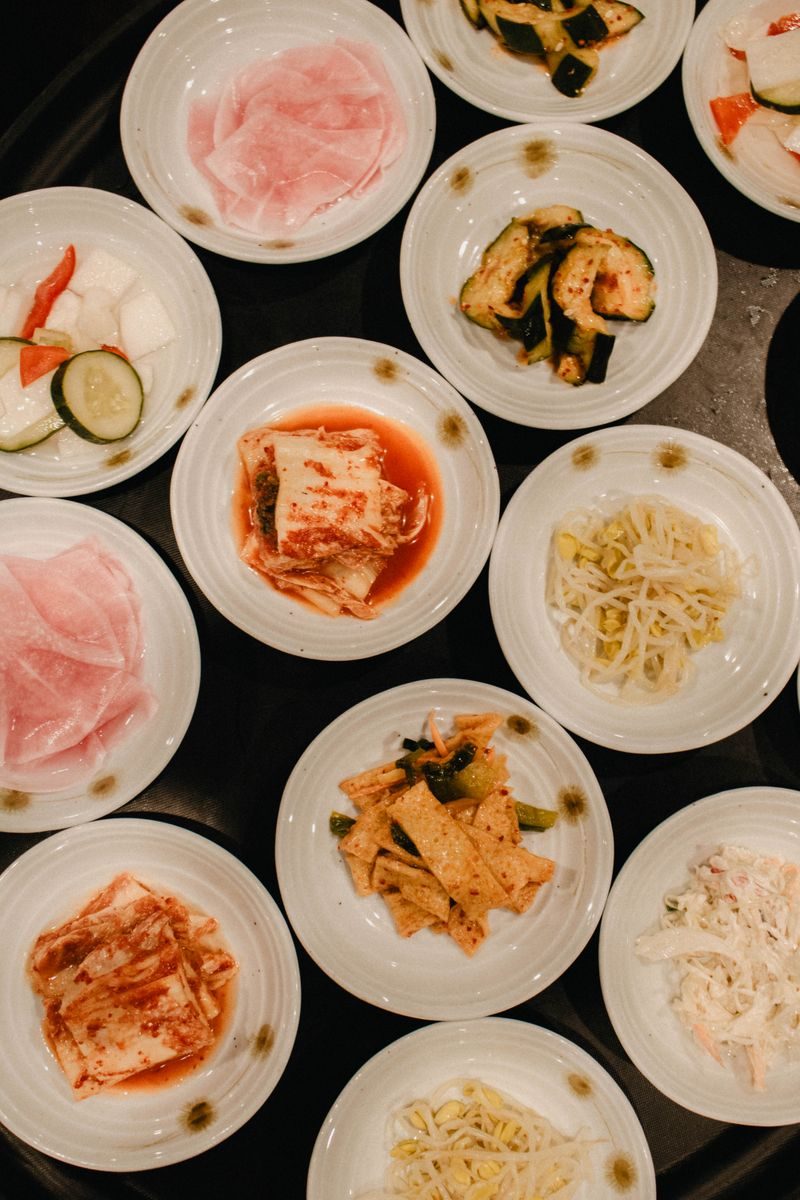
Banchan: Why Korean Meals Come With So Many Side Dishes

Several small dishes of vegetables and kimchi arranged on a table

You sit down at a Korean restaurant, order one dish, and within two minutes the table is covered in small plates you did not ask for. Six of them. Sometimes twelve. Nobody explains what they are. These are banchan, and the first thing worth knowing is that they are free, refillable, and not a starter … Read more

What Is Samgyeopsal? Korea’s Pork Belly, Thick and Thin

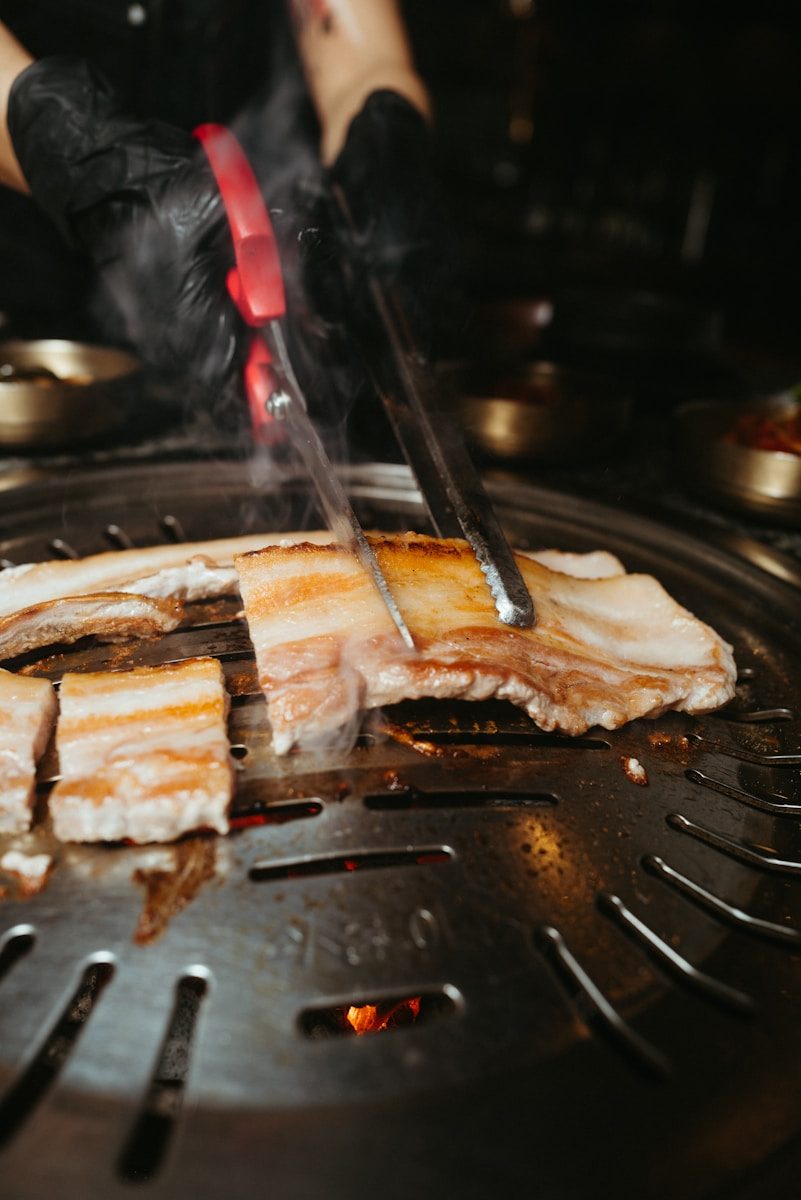
Samgyeopsal pork belly grilling on a tabletop grill with Korean side dishes

What is samgyeopsal? It is pork belly, and it is the meat Koreans eat more than any other. Not a special-occasion dish, not a tourist experience — the default answer to what is for dinner. Most English-language writing about it describes one thing: a restaurant table with a grill in the middle, thick slabs sizzling … Read more

What Is Kimbap? The Lunchbox That Took All Morning

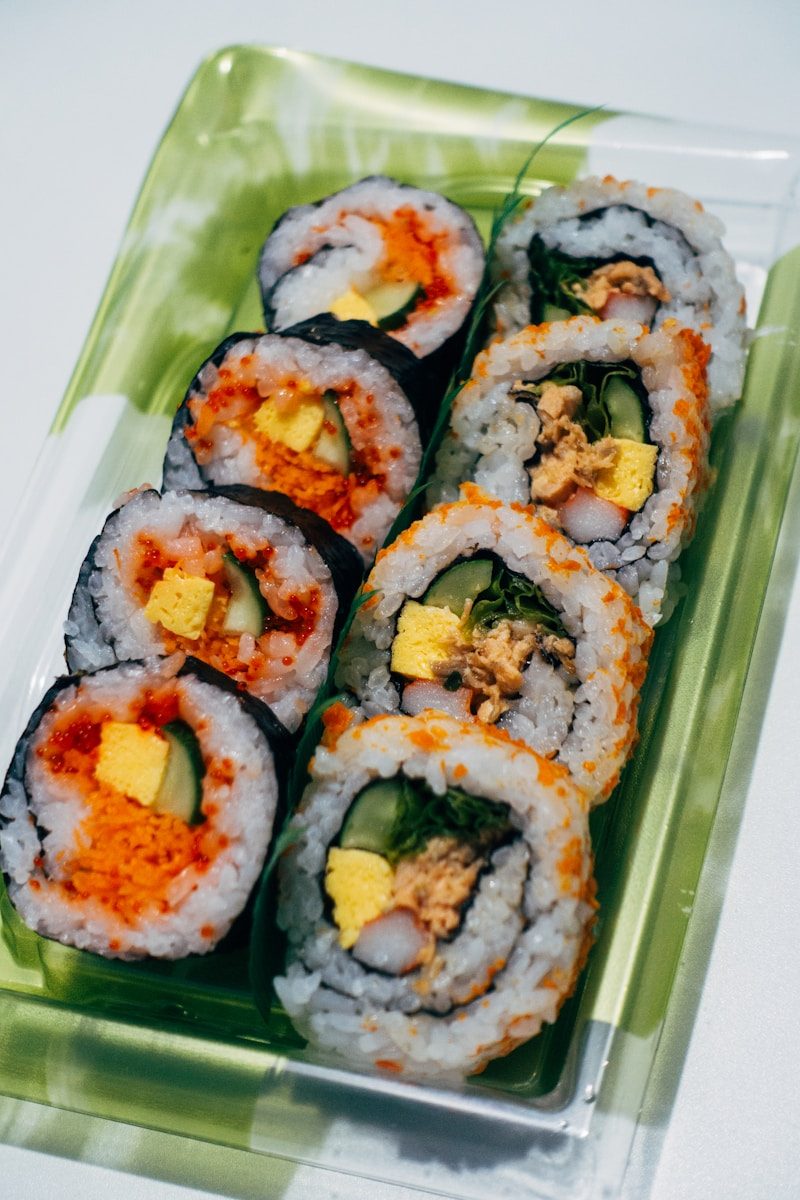
Sliced kimbap rolls filled with vegetables and egg on a plate

What is kimbap? Rice and fillings rolled in seaweed, sliced into rounds. Structurally it resembles sushi, and that comparison is where most English explanations stop. It is not a useful place to stop. Sushi is a restaurant tradition built on raw fish and a chef’s precision. Kimbap is something a mother made at five in … Read more