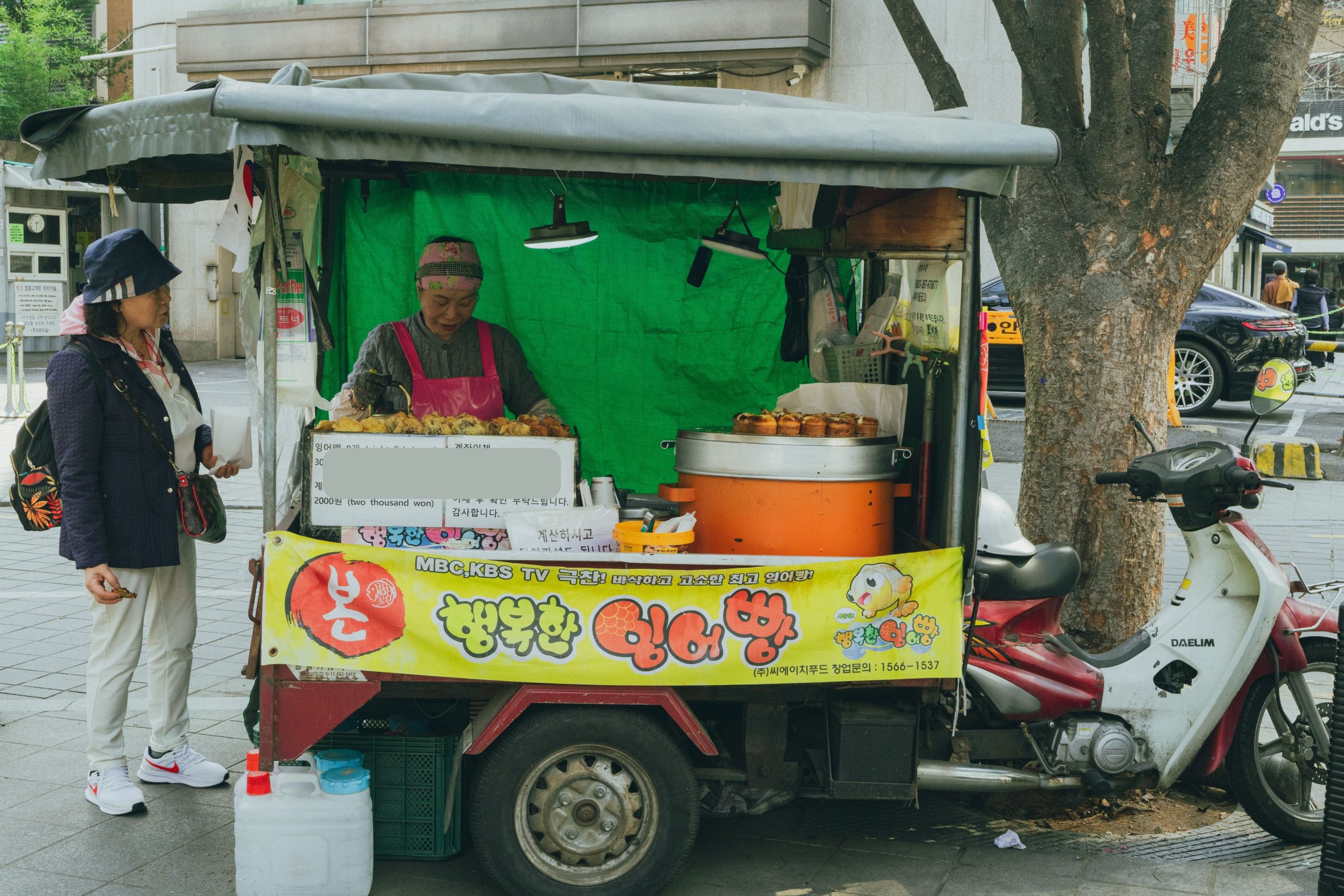
Before I could read, I already knew the shape a food cart could make. A wooden pushcart, a hot iron mold, and the smell of batter turning golden — bungeoppang, fish-shaped pastries filled with sweet red bean, sold by vendors who were, more often than not, doing it because times were hard, not because it was fun.
Where It Actually Comes From
Bungeoppang disappeared from Korean streets for a stretch in the late 1980s, pushed out ahead of the 1988 Seoul Olympics over concerns about how street vending looked to international visitors. It came roaring back in 1997, when the IMF financial crisis put huge numbers of Koreans out of work overnight. A fish-shaped mold and a cart were cheap to start with, and newspaper reports from the period noted mold sales spiking sharply as newly unemployed workers turned to street vending to get by.
That’s the origin story most Koreans of a certain generation carry without needing to look it up: bungeoppang as a genuine survival business, not a novelty snack.
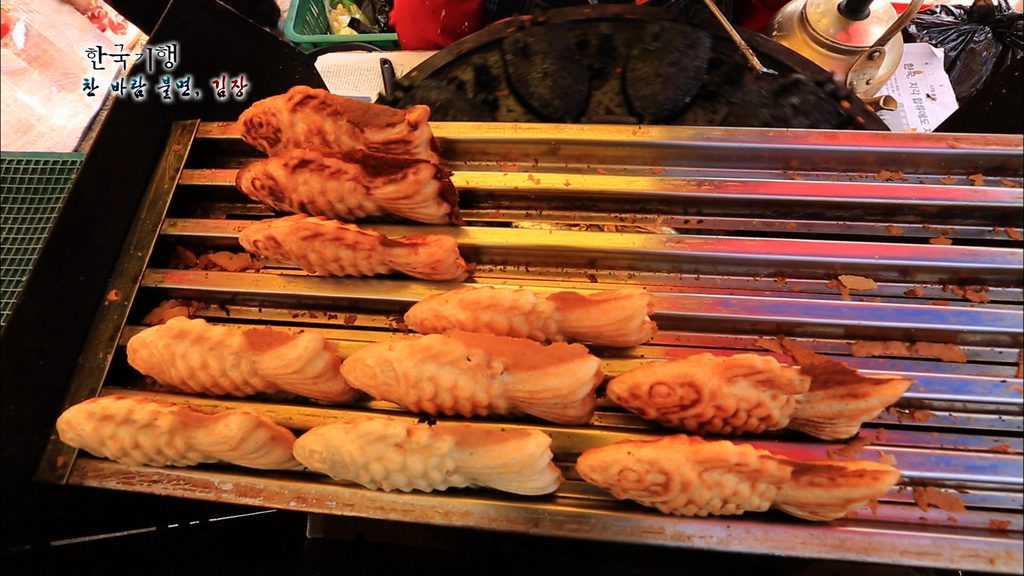
Photo source: 한국교육방송공사
Enter the Competitor: Ingeobbang
By 1999, bungeoppang had a rival. Ingeobbang (잉어빵) — named for a carp instead of a crucian carp, though visually almost identical — showed up as a competing product with a thinner, slightly oilier batter, and vendors and small brands pushed it as a distinct alternative. Longtime fans still argue about which one is actually better, and the two are close enough that most visitors never notice the difference at all.
Over time, more variations followed: golden ingeobbang, black rice versions, purple sweet potato fillings. Some cafes even swapped the usual flour batter for pastry dough or bread, turning it into something closer to a stuffed toast than the original.
The Filling That Almost Changed Everything
For decades, red bean paste was the only filling worth mentioning. That changed when sweet, creamy custard filling — sugukream (슈크림) — arrived and became genuinely popular enough to threaten red bean’s spot as the default choice.
That popularity has cooled somewhat since 2023, when sugar prices climbed sharply enough that custard filling became noticeably harder to find at smaller stalls — a small, specific example of how a single ingredient cost can reshape what’s actually available on a street corner.
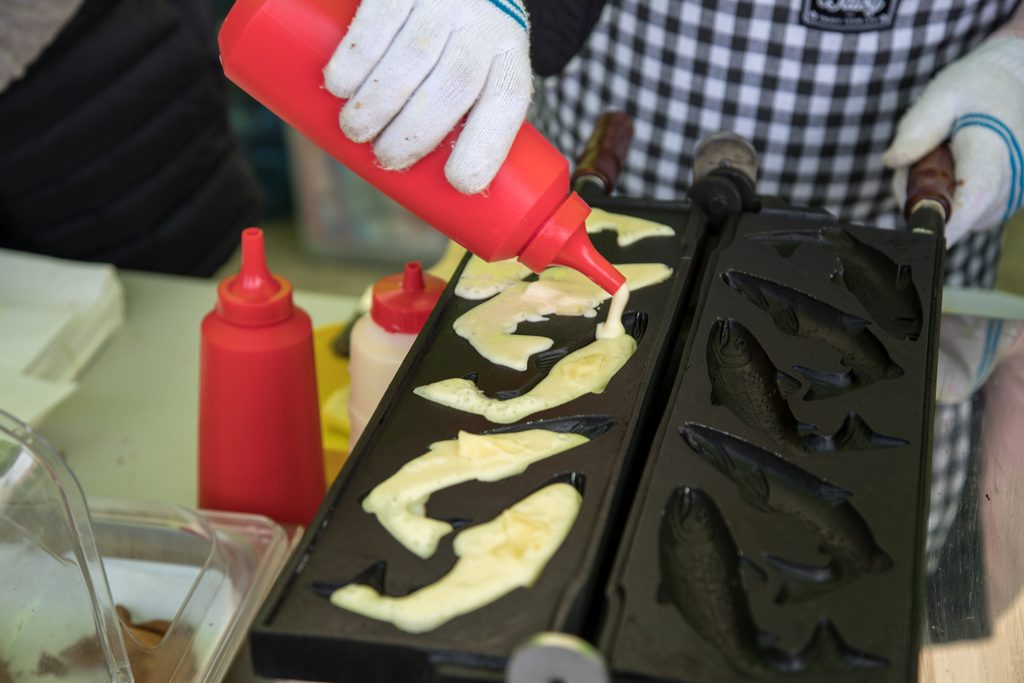
Why It’s Disappearing Again
The street cart version is under pressure again, and this time it’s not politics — it’s economics and permits. Ingredient costs have climbed enough that vendors report thinner margins than they used to have, and cities that require permits for street stalls have tightened approval, meaning the number of legal carts has actually shrunk over the past several years rather than grown.
The response has been a kind of migration rather than disappearance: convenience stores, franchise cafes, and even department stores have started selling their own versions, filling the gap left by disappearing street carts. It’s a different experience — no cart, no cold hands holding a paper bag — but the shape and the smell carry over.
The scarcity has produced its own small subculture: “bungsegwon” (붕세권), a pun combining bungeoppang with the Korean word for a neighborhood within walking distance of a subway station, describes living close enough to a stall to reliably get some. Apps and social media groups now exist purely to track where the remaining carts are.
What Visitors Should Know
If you spot a bungeoppang cart on a Korean street in winter, it’s worth stopping — the ones you find are increasingly the exception rather than the rule. Red bean remains the safest bet if custard isn’t on offer, and don’t overthink whether it’s technically bungeoppang or ingeobbang — most Koreans buying one on a cold walk home aren’t checking either.
If gun-goguma is the smell of a Korean winter street, bungeoppang is the one that comes with a shape you can actually point at — two of the country’s most recognizable cold-weather snacks, both born from hard times and both getting harder to find exactly the way they used to be sold.
For another cheap winter snack sold from the same kind of street cart, see our guide to Korean egg bread, the soft loaf with a whole egg baked right into it.