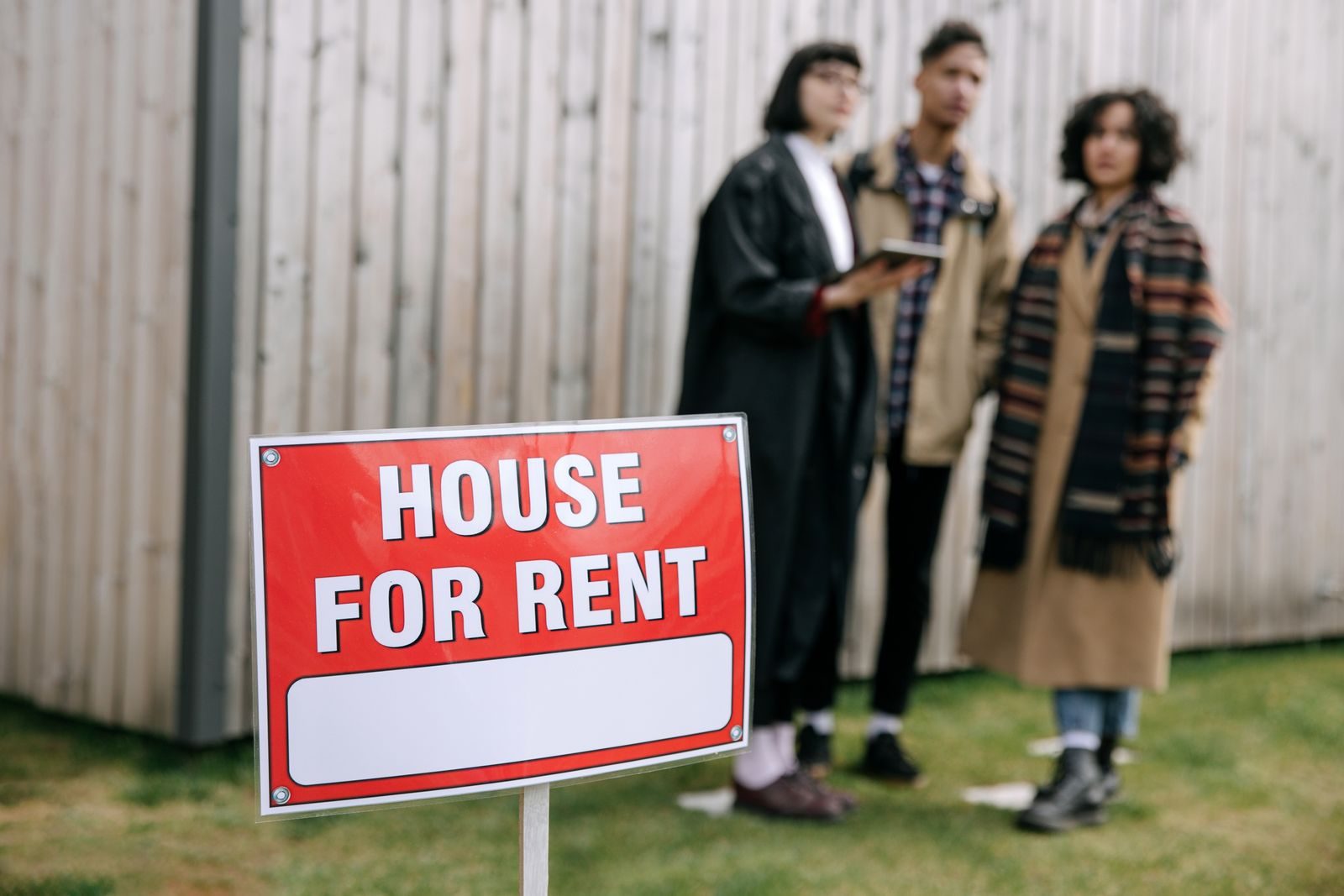
Monthly rent in Korea works on a system most newcomers have never encountered: you hand over a large lump sum before you move in, and you get it back when you leave. The monthly payment sits on top of that.
This arrangement is called wolse (월세), and it is what most foreign residents in Korea actually sign. English-language coverage of Korean housing is dominated by jeonse, the deposit-only system, which is genuinely fascinating and genuinely not what you will be offered for a studio apartment.
The mechanics take ten minutes to understand. The part that takes longer, and matters far more, is what you have to verify before signing — because Korea has spent the last several years dealing with a wave of rental fraud, and the protections available to tenants only work if you activate them correctly and on time.

How wolse is structured
A wolse contract has two numbers.
- The deposit (boujeunggeum, 보증금) — paid once, held by the landlord for the duration, returned when you move out
- The monthly rent (wolse, 월세) — paid every month, not returned
The deposit is not a damage deposit in the Western sense. It is not one month’s rent held against a stain on the carpet. It is a substantial sum that functions as security for the landlord and, in practice, as an interest-free loan they get to hold while you live there.
The two numbers trade against each other, and this is negotiable in a way that surprises people. Raise the deposit and the monthly rent comes down; lower the deposit and the monthly rent goes up. The same apartment can be offered at several different combinations, and landlords will often quote you a range rather than a single figure.
Which combination suits you depends entirely on your situation. Someone with savings sitting idle may prefer a higher deposit and a lower monthly outflow. Someone who needs cash available — which describes most people arriving in a new country — will take the opposite.
What drives the numbers
Three things move the figures more than anything else.
Location is the obvious one, and the gap is wide. Seoul costs substantially more than regional cities, and within any city, an older neighborhood costs less than a newly developed one. An older district in Incheon and a central Seoul neighborhood are not in the same conversation.
Building type matters next. A one-room — a studio, typically in a low-rise residential building — sits at the bottom. An officetel, a mixed-use studio building with better facilities and usually a security desk, sits above it.
Furnishing is the one people forget to ask about. A unit described as having options comes with appliances and furniture already installed — refrigerator, washing machine, air conditioner, bed, desk. Those options are priced in, and the same room with and without them is not the same rent. Ask specifically what is included rather than assuming what you saw during the viewing stays.
Prices move constantly, so check current listings for the specific neighborhood you are considering rather than relying on any figure you read, including one from a year-old blog post.
The paperwork that actually protects you
This is the section to read twice.
Signing a contract is not what protects your deposit. Two administrative steps do, and if you skip or delay either one, you are an unsecured creditor holding a piece of paper.
Move-in registration and the date stamp
Jeonipsingo (전입신고), move-in registration, is filed at your local community service center or online through the government portal. Hwakjeongilja (확정일자) is an official date stamp applied to your lease contract, available from community service centers, district office branches, courts, registry offices, and notaries.
Together these give you two things. Daehangnyeok is the right to assert your tenancy against third parties — including a new owner if the property is sold. Useonbyeonjegwon is priority in repayment: if the property goes to auction, you are paid ahead of later-ranking creditors.
Both require taking possession of the property and completing move-in registration; the date stamp adds the repayment priority on top.
Why the timing is not flexible
Here is the detail that has cost people their life savings.
The protection takes effect from midnight at the start of the following day, not the moment you file. File on Tuesday, and you are protected from 00:00 Wednesday.
That gap of a few hours is a known attack surface. A landlord acting in bad faith can take out a loan secured against the property on the same day you register, and that loan ranks ahead of you. You did everything correctly and you are still second in line.
The practical rule follows directly: file both on the day you take possession, not a few days later when you have unpacked. Do not treat it as an errand that can wait for the weekend.
One more thing worth knowing. If you later move your registration out and back in, your original priority does not return. The clock restarts from the new date. Tenants sometimes move their registration temporarily for unrelated administrative reasons and quietly destroy their own protection doing it.
What to verify before you sign
Korean tenants treat the following as a standard checklist, and a competent agent will expect you to ask. None of it is rude.
- Property registry (deunggibu deungbon, 등기부등본). Confirm the registered owner is the person you are contracting with, and check for mortgages, liens, or seizures already recorded against the property.
- Existing debt against the building. A mortgage recorded before your tenancy ranks ahead of you. If the property is auctioned, that debt is paid first, and whatever remains is what your deposit comes out of.
- Prior tenants’ deposits, in a multi-unit building. In a dagagu building — several units under a single owner — other tenants’ deposits also rank ahead of yours. The relevant number is the total, not just the mortgage.
- Building ledger (geonchungmul daejang, 건축물대장). Check for any illegal-structure designation, and confirm that move-in registration is actually possible at the address. Some units, for regulatory reasons, are not eligible — which means no legal protection at all.
- Deposit-to-value ratio. If your deposit plus existing debt approaches the property’s market value, there is nothing left to recover if things go wrong.
- The agent’s license. Confirm the agent is genuinely registered. Unlicensed brokers are a recurring route into double-contract fraud.
- Where the money goes. Transfer the deposit to an account in the registered owner’s name. Not the agent’s account, not a relative’s, not a company account, unless there is documentation you have independently verified.
If someone else signs on the owner’s behalf, a power of attorney document is not sufficient on its own. Contact the owner directly and confirm.
The fraud patterns that made the news
Rental fraud in Korea has been serious enough to generate national policy responses, with Incheon among the areas hit hardest. The patterns are documented and repetitive, which is good news — they are avoidable if you know the shape of them.
Underwater properties. A deposit set at or near the property’s actual value, often in a newly built unit where no comparable sales exist to check the price against. When the market moves or the landlord defaults, the auction proceeds do not cover the deposit.
Concealed prior claims. The landlord or agent fails to disclose existing mortgages or other tenants’ deposits. Sometimes the agent is complicit, assuring the tenant that the numbers are safe when the registry says otherwise.
Exploiting the timing gap. Securing a loan against the property on the same day the tenant registers, jumping the queue by a matter of hours.
Double or off-book contracts. The terms recorded are not the terms agreed. An agent may misrepresent the contract type, or two versions of the agreement may exist with different figures.
Underlying all of them is an information gap. The tenant cannot easily verify what the landlord and agent already know, and the schedule is usually compressed to keep it that way. Pressure to sign quickly is itself a warning sign — a legitimate property will still be there tomorrow.
Agents and fees
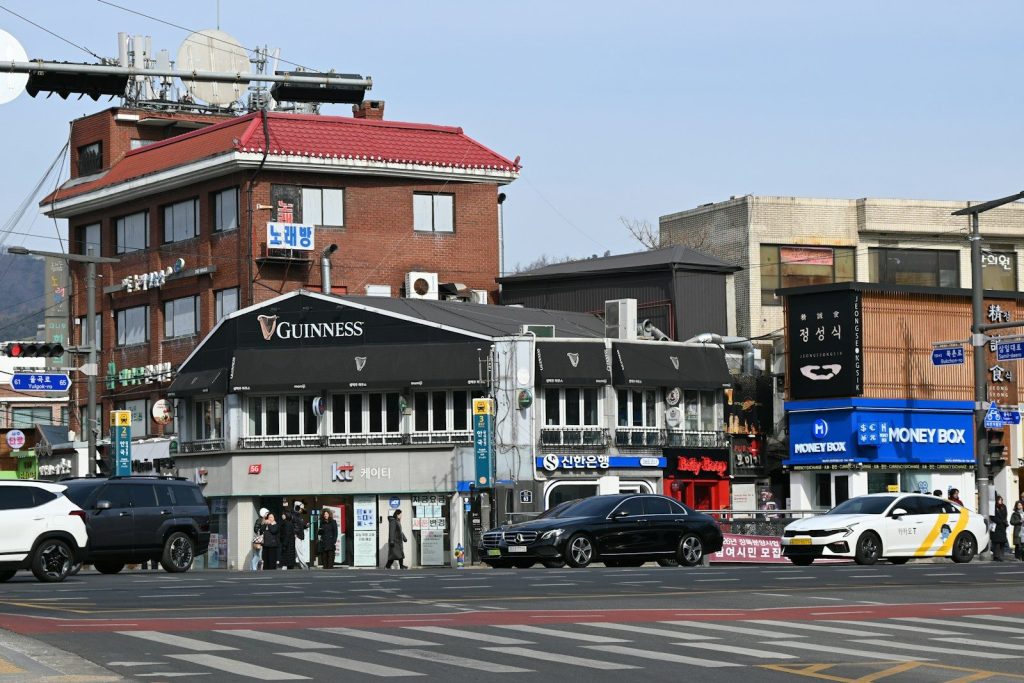
Most rentals go through a licensed agent, a budongsan (부동산), and their office is usually a small storefront in the neighborhood they cover.
The agent works for the transaction, not for you specifically, which is worth holding in mind when one tells you a property is safe. Verification is still your job.
Commission is regulated rather than freely set, calculated from the contract value with the rate varying by transaction type and by local ordinance. Ask what the fee will be before you commit and get the figure confirmed in advance rather than discovering it on signing day.
A workable sequence
- Decide your deposit-to-rent balance before viewing anything
- View properties, and ask specifically what furnishings are included
- Request the property registry and building ledger for any serious candidate
- Verify the owner’s identity and the agent’s registration
- Confirm the commission in advance
- Sign, and transfer funds only to the registered owner’s account
- On the day you take possession: file move-in registration and obtain the date stamp. Same day.
- Keep every document — the contract, the stamped copy, and the transfer records
Step seven is the one that turns a contract into protection. Everything before it is preparation.
Worth saying plainly
This is an overview of how the system works, not legal advice, and I am not a lawyer. Rental law has real complexity, individual situations differ, and deposits in Korea are large enough that professional confirmation is proportionate rather than excessive.
Korea has tenant protection mechanisms, guarantee products, and public resources specifically built around deposit security. If you are about to hand over a sum that would hurt to lose, spend an hour confirming your specific situation with someone qualified before you transfer it, not after.
The short version
Wolse is a deposit plus monthly rent, and the two numbers trade against each other. The deposit is large, the protections exist, and the protections only apply if you register on the day you move in.
Check the registry, verify the owner, pay the owner, register immediately. If you are curious about the deposit-only alternative, our guide to jeonse covers it, Korean apartments explains the building types you will be shown, and moving in Korea handles the day itself.
If the deposit is the obstacle rather than the monthly figure, there is a format that does away with it entirely. See what a goshiwon is and who ends up living in one.