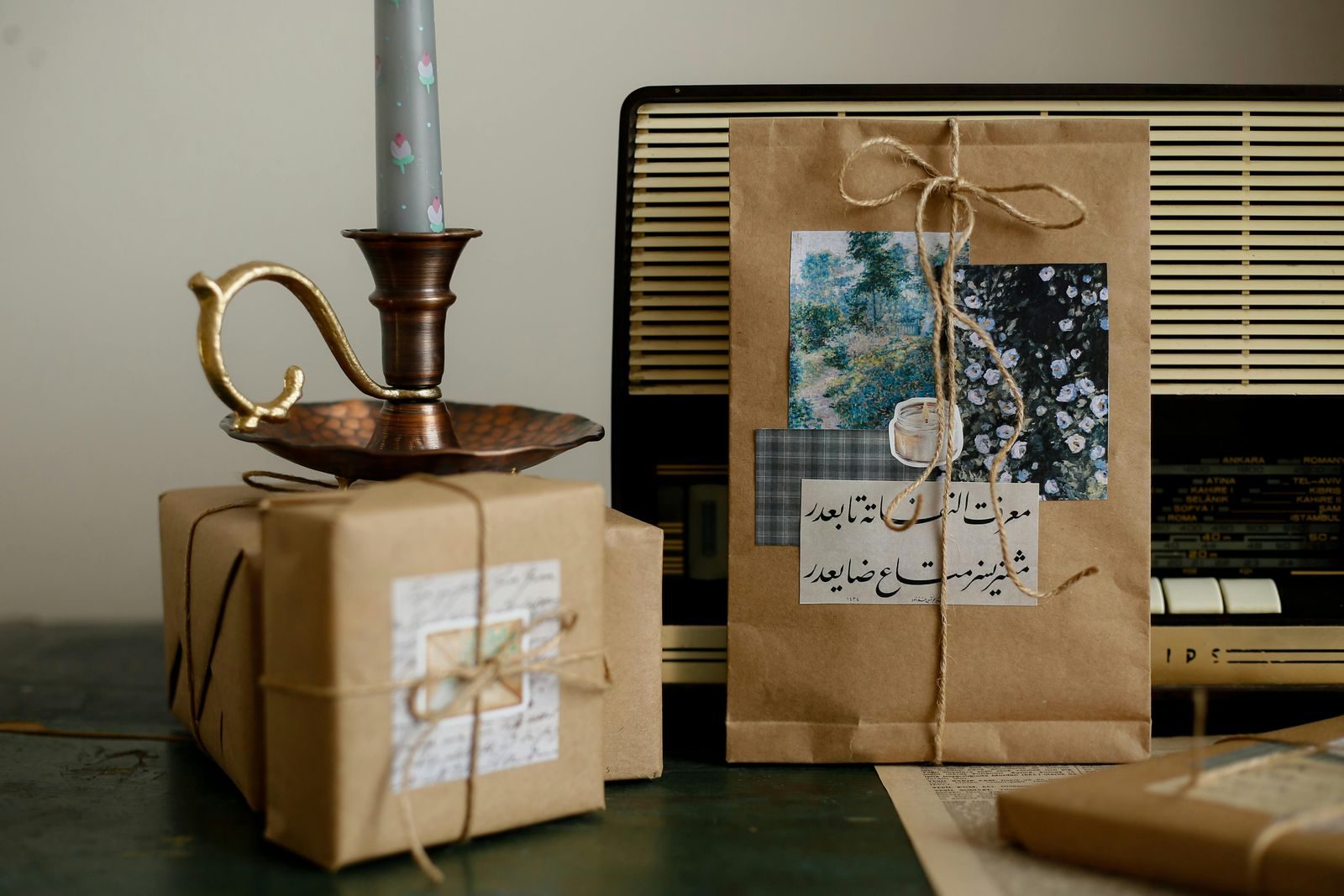
Give a Korean friend a gift wrapped in white paper and you may get a puzzled look before a “thank you.” Give them exactly four of anything and the pause gets longer. Korean gift giving etiquette runs on a handful of specific, learnable rules — and almost none of them are written down anywhere a visitor would see them before making the mistake once.
The Number You Never Give
Four is the number to avoid. In Korean, the word for “four” (사, sa) sounds identical to the word for “death” (死), and the association is old enough and strong enough that it still shapes real decisions — some hospitals and apartment buildings skip a fourth floor entirely, labeling it “F” instead. Giving four of anything — four items, four of the same fruit, a gift set boxed in fours — reads as an odd, faintly ominous choice, even to Koreans who don’t consciously believe in the superstition.
There’s no equivalent taboo around larger numbers containing four (fourteen, forty), so the rule is narrower than it first sounds: it’s specifically about the count of items in a gift, not any number that happens to include a 4.
Objects That Carry a Warning
A few specific items carry meanings that make them poor gift choices regardless of the occasion:
- Shoes are said to let the recipient “walk away” from the relationship — a gift some Koreans still avoid giving to a romantic partner in particular.
- Knives, scissors, or anything sharp symbolically “cut” the relationship. If you’re gifting a kitchen set that includes a knife, a small coin taped to the blade is a traditional workaround, symbolically turning the knife into something the recipient “bought” from you rather than received as a cut.
- Handkerchiefs are associated with tears and farewells, making them an odd choice for a happy occasion.
None of these are strict rules that will end a friendship if broken — older generations take them more seriously than younger Koreans do — but knowing them means you won’t accidentally send a message you didn’t intend.
Presentation Matters as Much as the Gift
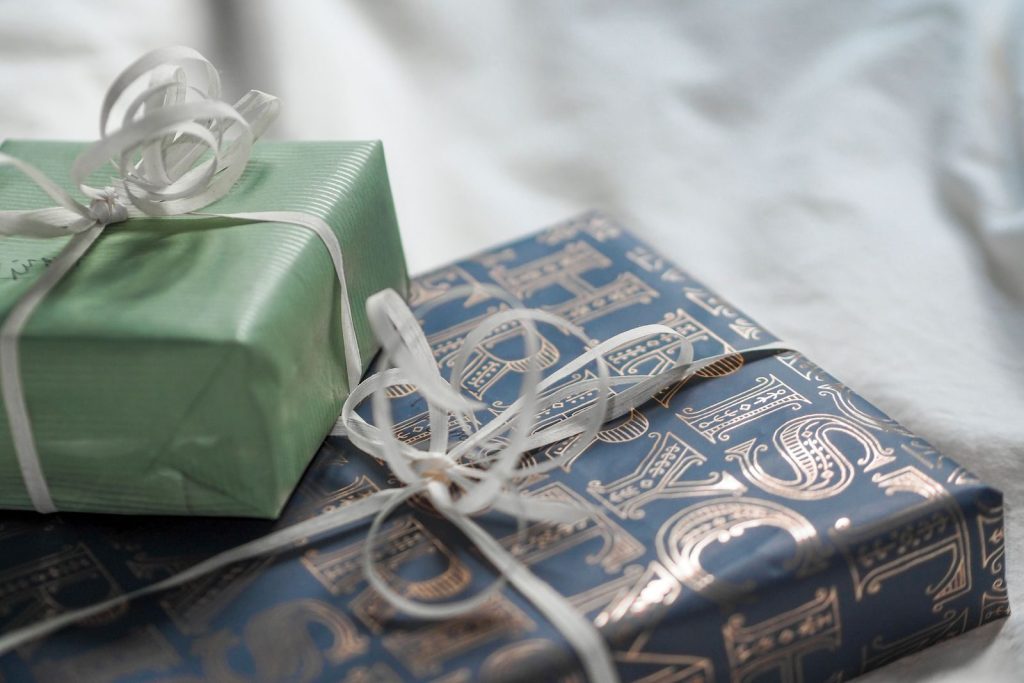
Wrapping color carries its own small logic: white wrapping paper is traditionally associated with funerals, so bright or patterned paper is the safer default for anything other than a somber, formal envelope. The gift itself is given and received with both hands — the same gesture that governs handing over a business card or receiving a drink from someone older, and it applies here too.
Cash, when it’s the gift, almost always goes inside an envelope rather than being handed over as loose bills — a practice that becomes its own set of rules at weddings and funerals specifically.
The Polite Refusal
When someone offers a gift in Korea, a brief, polite refusal before accepting is common — “oh, you didn’t need to” — followed by accepting anyway once the giver insists a second time. It’s a small social dance rather than genuine reluctance, and visitors who take the first refusal literally and withdraw the gift sometimes cause more awkwardness than they were trying to avoid.
Opening It — or Not
Traditionally, gifts in Korea were set aside and opened later rather than unwrapped in front of the giver, on the logic that reacting to the specific gift on the spot could feel like grading it out loud. This has loosened considerably, especially among younger Koreans and in casual settings, but it’s still common enough at formal occasions that you shouldn’t read a delayed unwrapping as disinterest.
When You’re Expected to Bring Something
Visiting someone’s home in Korea, even casually, usually calls for bringing something small — fruit, a box of pastries, or a similar modest item is the standard, low-stakes choice. It doesn’t need to be expensive; arriving with nothing at all is the actual faux pas, more than arriving with something imperfect.
What Visitors Should Do
Skip the number four, skip shoes and sharp objects as gifts, use colorful rather than plain white wrapping, and offer and receive with both hands. Beyond that, the specifics matter far less than the gesture of having thought about it at all — Korean gift giving etiquette rewards effort more than it punishes small missteps.
Money as a gift follows its own, more specific set of rules once you get to weddings and funerals — envelope color, amount, and even which bills are considered appropriate all shift depending on the occasion.
Money follows a much more specific set of rules once weddings and funerals enter the picture — Korean wedding and funeral money etiquette covers the envelope, the amount, and the one mistake worth actually avoiding.
One of the most playful examples of meaningful gifts in Korea comes every November, when students receive sticky taffy and rice cakes before Suneung, the national university entrance exam.
Korea also has its own gift-giving holidays. The biggest one for students and couples is Pepero Day on November 11, when chocolate biscuit sticks are exchanged all over the country.