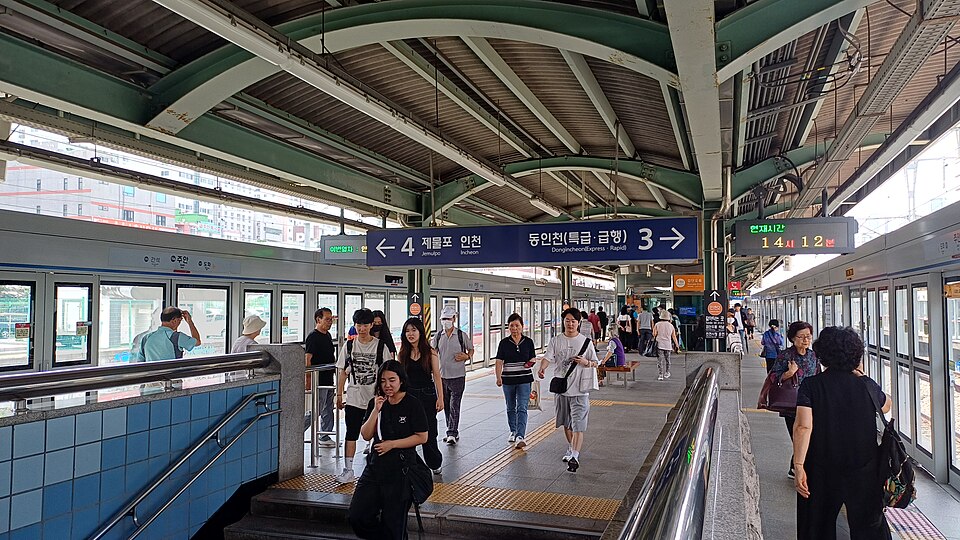
Most first-time visitors to Korea see the same polished places: the shopping streets of Seoul, a palace or two, maybe a day trip to Busan. But the Korea that locals actually live in looks different — and you find it in ordinary neighborhoods that never make the guidebooks. As someone based in Incheon, let me take you to one of mine: Juan Station. It is not a tourist attraction. It is a real working neighborhood with a buzzing food alley, decades of nightlife history, and a sprawling underground arcade you could get happily lost in for half a day.
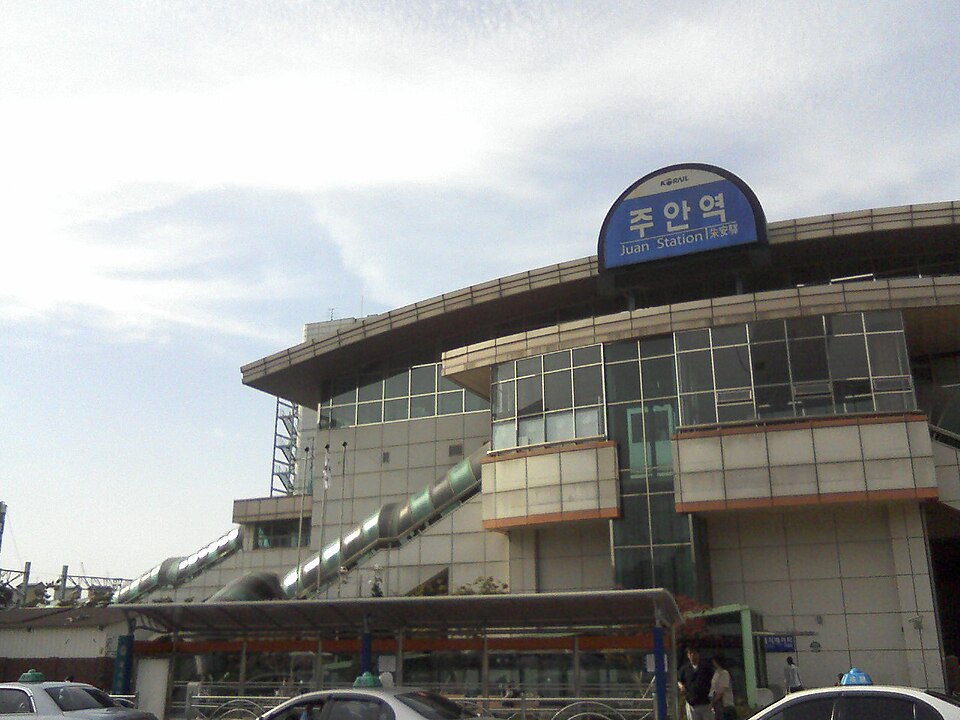
Photo: Wikimedia Commons (CC0)
Where Is Juan Station?
Juan Station (주안역) sits in Michuhol-gu, in the heart of Incheon, the port city just west of Seoul. It is a stop on Line 1 of the metro, the old Gyeongin Line that first connected Incheon and Seoul, so you can ride straight here from central Seoul in around 45 minutes to an hour. That easy connection matters to the story: for decades, Juan has been a place where the surrounding districts come to meet, shop, eat, and go out.
The Food Alley: Where the Neighborhood Comes to Eat
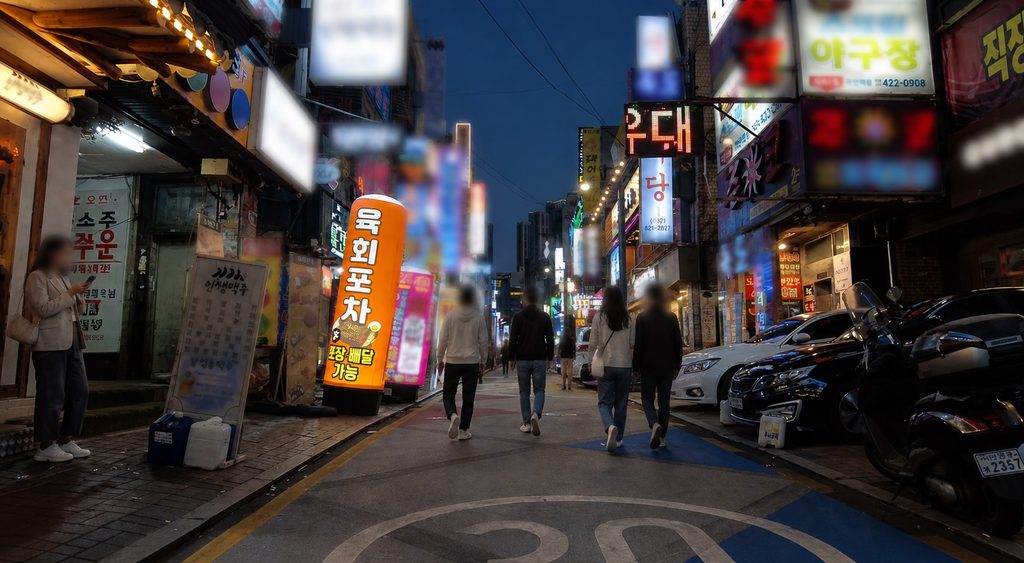
Right outside the station lies the area locals simply call the meokjagolmok (먹자골목), which translates roughly to “food alley” — a dense cluster of restaurants, bars, and street-food spots packed shoulder to shoulder. Almost every Korean neighborhood of any size has one, but a good meokjagolmok is more than a place to eat. It is where friends gather after work, where students celebrate, and where an entire community’s evenings quietly unfold.
At Juan, the alley delivers everything you would want from a Korean night out: sizzling barbecue joints thick with smoke, fried-chicken-and-beer spots, tented street carts, and enough soju to fuel long, loud conversations. If you have read our guides to Korean street foods like tteokbokki and the Korean corn dog, this is exactly the kind of place you would find them, made fresh and eaten standing up.
A Neighborhood With a Nightlife Past
Ask longtime Incheon residents about Juan Station, and many will smile with a certain nostalgia. For a stretch of time from the 1990s into the early 2000s, this was one of the liveliest nightlife hubs in the city — a genuine hotspot. The alleys around the station filled with clubs, bars, and noraebang (노래방, Korea’s beloved private karaoke rooms), and the crowds were young and endless. It had the kind of energy that pulls people in from well beyond the neighborhood.
You could even trace the era through its now-vanished attractions. This was the age of the bidiobang (비디오방), private video rooms where friends and couples rented a small room to watch films together — a cultural fixture of that generation that has since largely disappeared, replaced by streaming at home. Little details like that make Juan a kind of living time capsule of recent Korean life.
Today, Juan is no longer the citywide sensation it once was; nightlife trends have moved on, as they always do. But the area never went quiet. It remains a true “meeting-place” neighborhood, where a remarkably wide span of ages — from young locals to people well into middle age and beyond — still gather to eat, drink, and catch up. That cross-generational mix is part of what gives Juan its unpretentious, lived-in charm.
The Underground Arcade: A City Beneath the Street
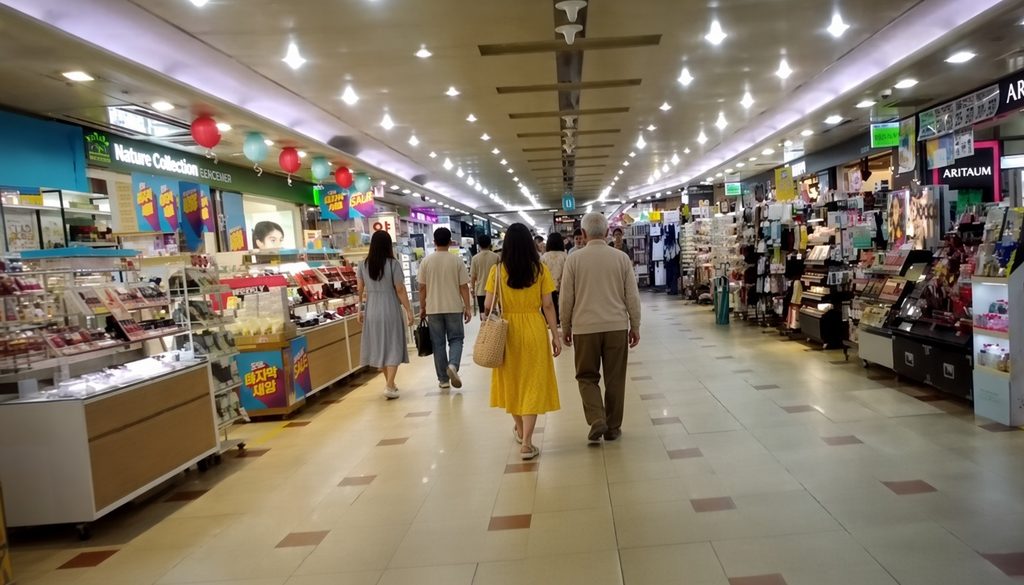
Here is where Juan surprises visitors most. Beneath the station stretches the Juan Station underground shopping arcade (지하상가) — and calling it a “shopping arcade” undersells it. It is practically a subterranean town.
Incheon has a special relationship with these underground markets: the city built Korea’s very first one back in the 1960s and today has more underground shopping arcades than anywhere else in the country. The Juan arcade is one of the larger ones, with roughly 470 shops lining its long, branching corridors. You will find clothing, shoes, bags, accessories, electronics, fancy goods, and plenty of small eateries tucked between them.
The scale genuinely catches people off guard. Wander down expecting a quick shortcut, and you can easily lose half a day drifting from shop to shop. Prices lean affordable, the vibe is refreshingly un-touristy, and — a real bonus in Korea’s blazing summers and freezing winters — it is climate-controlled and completely sheltered from the weather. Most shops keep hours from around 10 a.m. to 10 p.m., though the arcade closes on select weekdays, so it is worth checking before a special trip.
Why Juan Station Is Worth Your Time
Juan will not give you a manicured, Instagram-perfect version of Korea. What it offers is something rarer: a real slice of everyday Incheon life, shaped by decades of history and still humming today. This is where you eat what locals eat, shop where locals shop, and feel the texture of a Korean neighborhood that exists for its own residents rather than for visitors.
For travelers who have already ticked off the famous sights and want to understand how Koreans actually spend an ordinary evening, an hour or two around Juan Station is far more revealing than another crowded tourist strip.
Tips for Visiting
A few practical notes to make the most of a visit:
- Getting there: Take Line 1 to Juan Station. The food alley and arcade are right at the station, so no extra transfers are needed.
- Best time to go: Come in the early evening to catch the food alley coming to life, or midday if the underground arcade and shopping are your priority.
- Bring cash: While cards are widely accepted, some small stalls and older shops still prefer cash.
- Pace yourself: The arcade is bigger than it looks. Wear comfortable shoes and give yourself time to wander without a plan — that is when you find the best spots.
Keep Exploring Hidden Incheon
Juan-dong has more to offer than food and shopping. For a greener, quieter side of the same neighborhood, see our guide to Juan-dong’s Citizens Park. And if you want to venture further off the beaten path in Korea, don’t miss Okjeong Lake, one of the country’s most beautiful hidden getaways.
Juan works at neighborhood scale. For the same idea several times larger, Bupyeong Station Incheon sits above the biggest underground shopping arcade in the country.
For a market with a longer history, Sinpo International Market has been feeding this port since the 1880s, and sits inside a cluster with Chinatown and the old open port district.
If you want the opposite kind of Incheon neighborhood — busier, older, and built around a single industry — Incheon Chinatown is six stops west on the same line.
For the historic end of the same line, Dongincheon Station is a few stops west and puts you inside the 1880s port district on foot.
From Juan, Incheon Line 2 in the direction of Unyeon takes you a few stops to Moraenae Market Station, right at the entrance of Moraenae Market, one of the most local markets in the city.