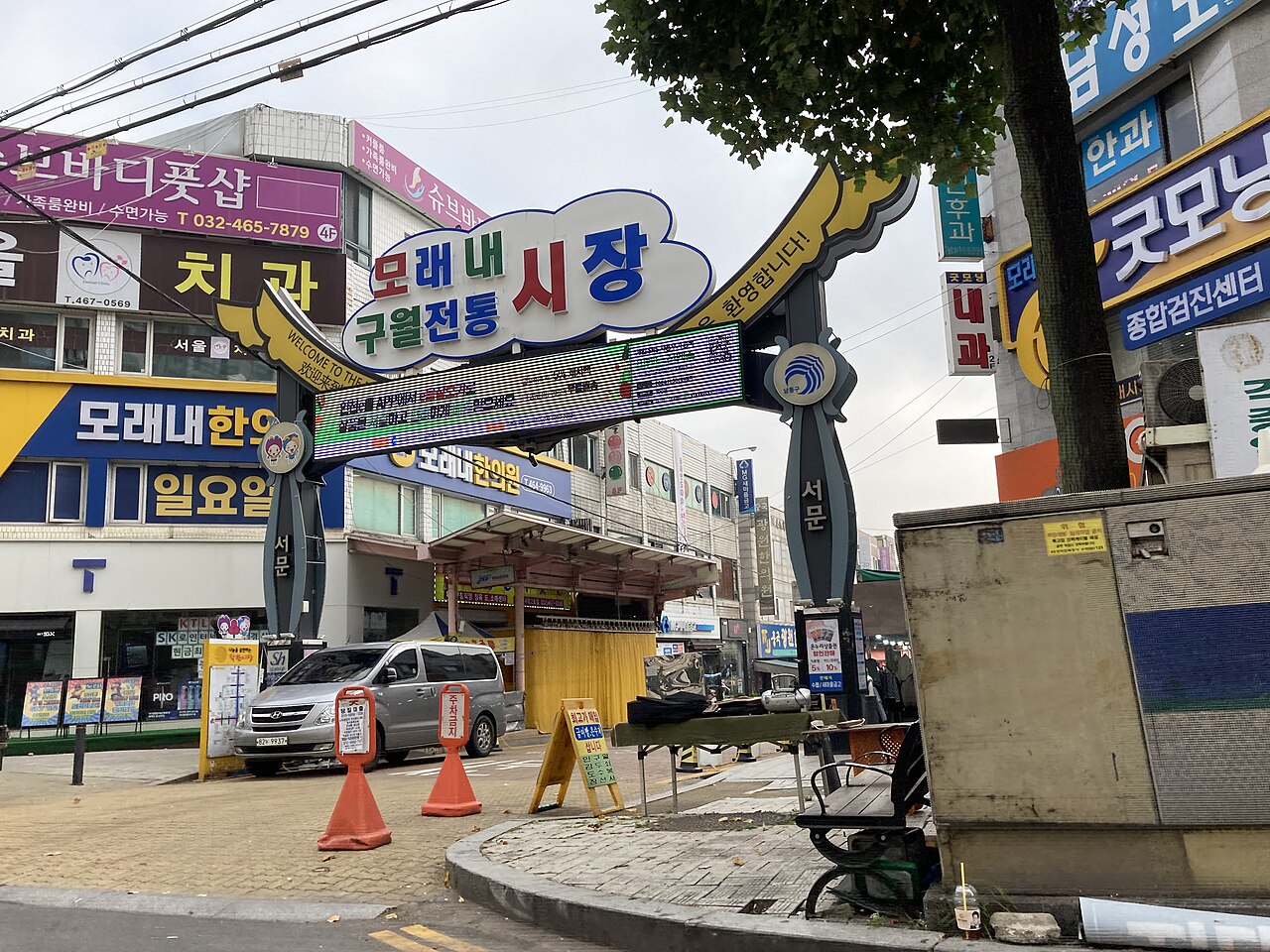
I grew up in this neighborhood, and Moraenae Market Incheon was just part of the landscape — the place my family went for produce, not a destination you’d plan a trip around. It’s only looking back that I realize how much that kind of ordinary familiarity is exactly what a market like this represents: not a tourist attraction dressed up for visitors, but a working part of daily life in this corner of Incheon.
This is not a guide written after one afternoon visit. It’s the market as remembered by someone who was dragged along on his mother’s grocery runs, who spent too many evenings in the arcade inside it, and who watched the neighborhood around it change almost beyond recognition.
What Moraenae Market Is
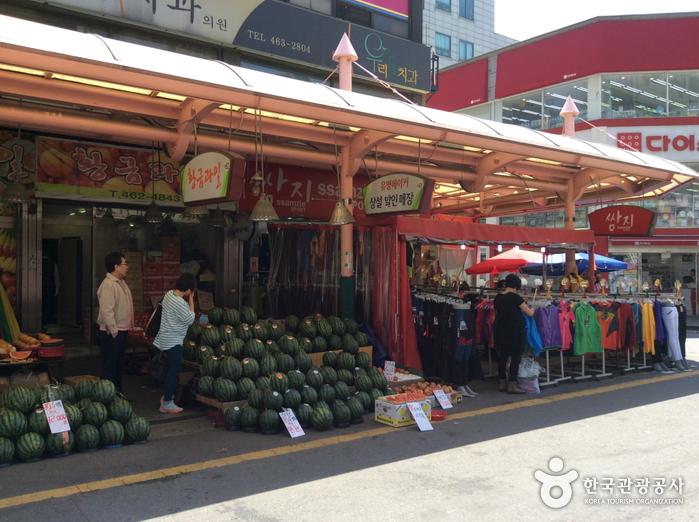
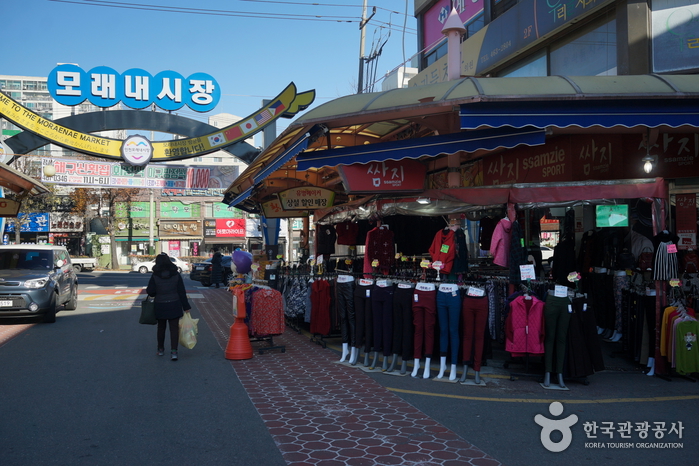
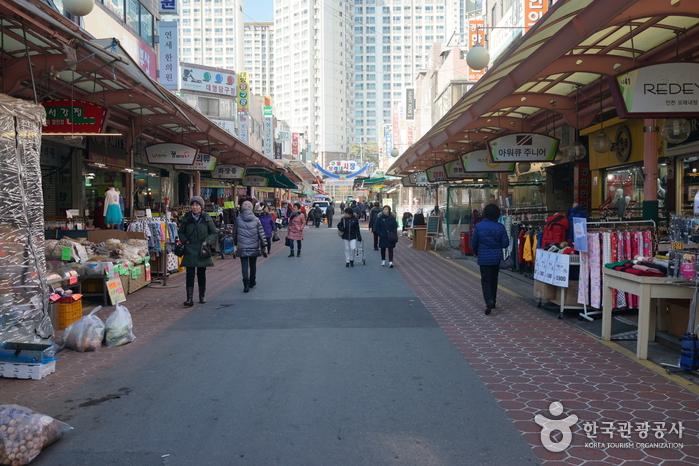
Moraenae Market (모래내시장) is a traditional market in Guwol-dong (구월동), in Incheon’s Namdong-gu district. It took shape in the early 1980s and has been a neighborhood fixture for around four decades. Dozens of shops and stalls line its main street and the covered alleys beside it: vegetables, fish, meat, rice cakes, side dishes, clothes, kitchenware, and the usual row of snack counters.
It is not a tourist market in any sense. There is no gate built for photos and no souvenir row. People come here with a shopping list and leave with black plastic bags. That is the point, and it is also why an hour here teaches you more about how ordinary people in Incheon actually live than a full day at a more famous market.
The location explains a lot. The market sits near the Guwol-dong agricultural wholesale market, so produce arrives fresh, and seafood comes in from Yeonan Pier and Sorae Port rather than sitting in a long supply chain. Regulars know exactly which stall to visit for what, and many of them have been buying from the same families for years.
When This Was the Edge of Town
To understand this market, you have to picture Guwol-dong as it was when I was a child. Today it is the busy administrative heart of Incheon, with City Hall, the bus terminal, department stores, and apartment towers. Back then, a lot of it was still farmland. The land in front of where City Hall now stands was fields, and rice paddies stretched as far as where the bus terminal is today. I remember construction crews covering the paddies with dirt so they could build on them. I wrote more about growing up on those fields in my piece on jwibulnori, the fire-can game we played on the empty lots.
The market sat right in the middle of that change. Across the road stood the old Guwol Jugong apartments, a large public housing complex of low, plain blocks that supplied a big share of the market’s regular customers. That complex has since been torn down and rebuilt as a new high-rise development, and even that rebuild is old news now.
Walk from the market toward Nonhyeon-dong in those days and you were back among fields. That land is now covered by the apartment blocks built as the athletes’ village for the 2014 Incheon Asian Games.
The hill on the edge of Mansu-dong
The part I remember most clearly is the hill just beside the market, on the side facing Mansu-dong. It was still part of Guwol-dong, right on the border; as far as I know, the line between the two neighborhoods runs roughly along a stream that has since been covered over and paved, and cross it and you are in Mansu-dong. That hillside was what Koreans call a sandongne (산동네), a “hill village”: old houses packed tightly up a steep slope, reached by narrow alleys too small for cars. Many homes had outhouses instead of indoor toilets. It felt less like a city neighborhood and more like a country village that happened to sit next to a market.
That hillside is gone now. Rows of low-rise villa buildings fill the slope all the way down to the old stream line at the Mansu-dong border. If you walked it today, you would never guess what used to be there. But the market at the bottom of the hill is still recognizably the same place.
Growing Up Around the Market
For me, the market was mostly my mother’s errand. She came here for the ingredients for our daily banchan (반찬), the small side dishes served with every Korean meal. I tagged along, carried bags, and waited while she compared vegetables and chatted with the stall owners she knew.
Before the big holidays, Seollal (Lunar New Year) and Chuseok (the autumn harvest festival), the market was packed shoulder to shoulder. That is true of every market in Korea, but it is worth knowing if you visit: the week before a holiday is when a traditional market is at its loudest and fullest, with families buying ingredients for holiday meals and ancestral rites.
The arcade that stayed open past midnight
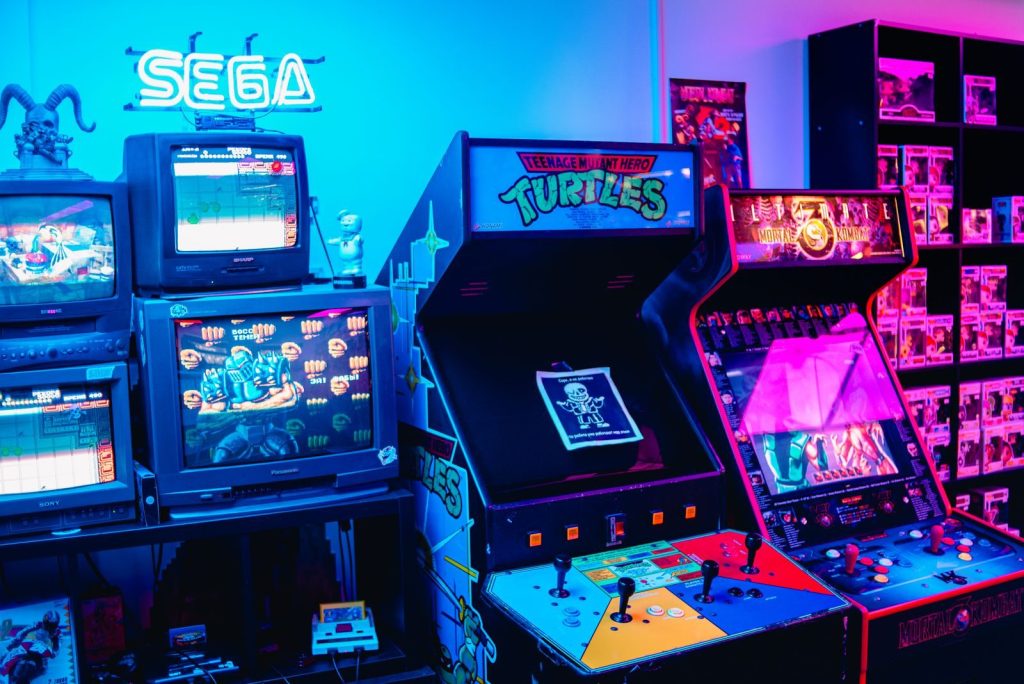
There was a video arcade inside the market back then, and it stayed open very late, close to midnight as far as I remember. As a kid I didn’t always have coins to play, so a lot of the time I just stood behind the older boys and watched. More than once it got close to midnight before my mother came looking for me and walked me home.
Arcades like that were part of growing up in Korea in the 1980s and 1990s, tucked into markets, basements, and the second floors of buildings near schools. Most of them have disappeared. When I think of Moraenae Market, that arcade is still one of the first things I see.
Famous Enough for a Documentary
Moraenae Market isn’t obscure. KBS’s long-running series Documentary 3 Days (다큐멘터리 3일) spent 72 hours filming here for a 2009 episode about daily life at the market. That is a lot of national airtime for a neighborhood market, and it says something about how typical, in the best sense, this place is.
The Market Today
The basic layout hasn’t changed much since I was in elementary school. The main street runs the same way, and the side alleys are where they always were. What has changed is the care. Over the years the market has been improved and modernized, with covered walkways, cleaner stalls, and better organization. To me, it now feels like one of the markets that best represents Incheon.
Shopping like a local
If you have never shopped at a Korean traditional market, a few habits will make it easier. Watching my mother do this for years, these are the things that stuck with me.
Produce is often sold by the basket, not by weight. Vegetables and fruit sit in small plastic bowls or baskets, each with a price card stuck in front. You buy the whole basket, and the vendor tips it into a bag for you. Asking “Eolmaeyo?” (얼마예요?, “How much is it?”) works everywhere, and pointing is perfectly acceptable.
Side dish shops sell by the container. The banchan stalls display dozens of prepared dishes in open trays: seasoned vegetables, braised potatoes, stir-fried anchovies, several kinds of kimchi. You choose a container size and fill it with one dish, or ask the vendor to pack it for you. For a traveler staying somewhere with a fridge, this is one of the best cheap meals in Korea.
Regulars sometimes get a little extra. Koreans call it deom (덤), a handful added to the bag for free. It isn’t guaranteed, and you shouldn’t ask for it, but it is part of why people keep returning to the same vendors for years.
Everything goes into black plastic bags. They are the unofficial symbol of market shopping in Korea. By the time you walk out, you will probably be carrying several.
Vendors are busy, not rude. Conversations are quick and practical, especially at peak hours. A smile and a simple “Gamsahamnida” (감사합니다, “Thank you”) go a long way.
What to eat
Moraenae has the same quick street food you’ll find in most Korean markets, but a few items are specific to this one:
- “Sexy tteokbokki”: the market’s best-known tteokbokki stall, more famous locally than ordinary versions, thanks partly to its name.
- Mini kimbap: small rolls sold in about a dozen varieties, easy to eat while you walk.
- Five-colored noodles: a noodle shop known for noodles colored with green tea, cactus, pumpkin, and mulberry leaf.
- Eomuk (어묵): fish cake skewers in hot broth, the classic market snack on a cold day.
Night market and the “nomaek” festival
The market has also experimented with evening events. It has promoted a night market that it billed as one of Incheon’s first, and in summer it has run a “nomaek” festival, a play on nogari (dried pollock, a classic beer snack) and maekju (beer), with cheap draft beer and dried pollock served in the market alleys. Events like this change from year to year, so check before you plan around one.
How to Get to Moraenae Market
When I was growing up, there was no subway anywhere near here. That changed in 2016, when Incheon Subway Line 2 opened with a stop named after the market itself: Moraenae Market Station (모래내시장역). The walk from the exit to the market entrance now takes about a minute, and the station has made the market far easier to reach from the rest of the city.
From Seoul, take Line 1 to Juan Station and transfer to Incheon Line 2 in the direction of Unyeon. Moraenae Market is a few stops down the line. If the transfer is new to you, my guide to Juan Station covers the station and the neighborhood around it.
When to go
Like most Korean neighborhood markets, Moraenae changes character through the day. Late morning is the easiest time for a first visit: the stalls are fully stocked, the produce is at its freshest, and the aisles are busy without being crowded. Late afternoon is when the market is at its most local, as people stop by on the way home from work to pick up something for dinner, and the snack counters do their best business. If you want to eat more than shop, come hungry in the early evening. Weekends are livelier than weekdays, and the days just before a national holiday are the busiest of the year. Whatever time you choose, give yourself at least an hour. The main street is short, but the side alleys are where most of the interesting stalls are.
Before you go
- Official hours run from about 10 a.m. to 10 p.m., but individual stalls keep their own hours.
- Carry some cash. Cards work at most shops, but small snack counters are faster with cash.
- The market is closed on the day of Seollal and Chuseok themselves. If crowds bother you, also avoid the week before each holiday. If you want to see a Korean market at full volume, that week is exactly when to go.
- Bring a reusable bag if you plan to buy produce.
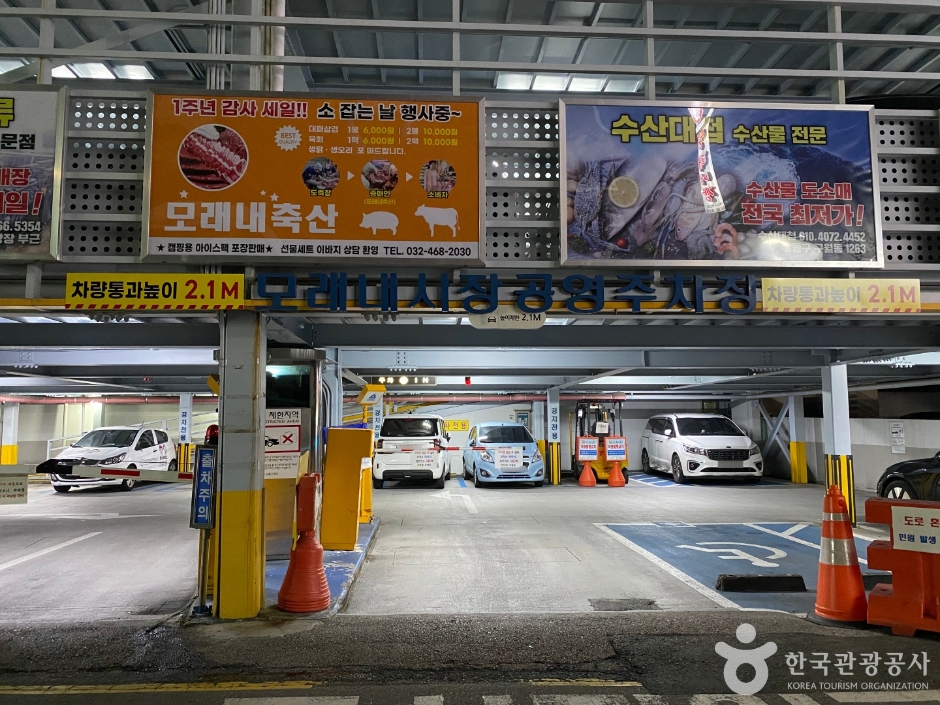
- If you are driving, the market has its own paid public parking garage. The clearance is 2.1 meters, so larger vans may not fit.
What Else Is Nearby
- Sorae Port: one of the places the market’s seafood comes from, with a large fish market and a wetland park. See my guide to Sorae Port.
- Guwol-dong and City Hall: the district that grew out of the fields I remember, now Incheon’s busiest shopping and office area.
- Sinpo International Market: if you want to compare, the old port’s market is more visitor-facing. See my guide to Sinpo International Market.
Why a Market Like This Is Worth a Visit
Moraenae Market isn’t going to show up on a list of Incheon’s must-see attractions, and that is honestly the appeal. It is a working market that has kept the same purpose for over forty years, still selling to the same kind of neighborhood regulars it always has.
The fields are gone, the hill village is gone, the old apartments across the road are gone, and the arcade I used to haunt is long closed. But the market is still here, still busy, still full of people shopping for tonight’s dinner. If Sinpo Market or Chinatown show you Incheon’s more polished, visitor-facing side, Moraenae shows you the version locals actually shop at, including, once, my own family.
If you have more time in Namdong-gu, head east to Incheon Grand Park, the huge city park where my school took us on spring and autumn picnics. It is a good way to pair a morning at the market with an afternoon of lawns, lake views, and forest trails.
Photos: Narubaru7 via Wikimedia Commons (CC BY 4.0); © Korea Tourism Content Lab / Korea Tourism Organization (KOGL Type 3).