Every Korean Game in Squid Game (And What the Show Got Wrong)

Children playing an outdoor game in a schoolyard

The Korean games in Squid Game are all real. Not one of them was invented for the show. Ddakji, jegichagi, gonggi, spinning tops — Korean children have played all of these for generations, and some of us were still playing them in schoolyards in the 1990s. What English-language explainers usually get wrong is not the … Read more
Jwibulnori: Swinging Fire Cans Over Incheon’s Last Rice Paddies

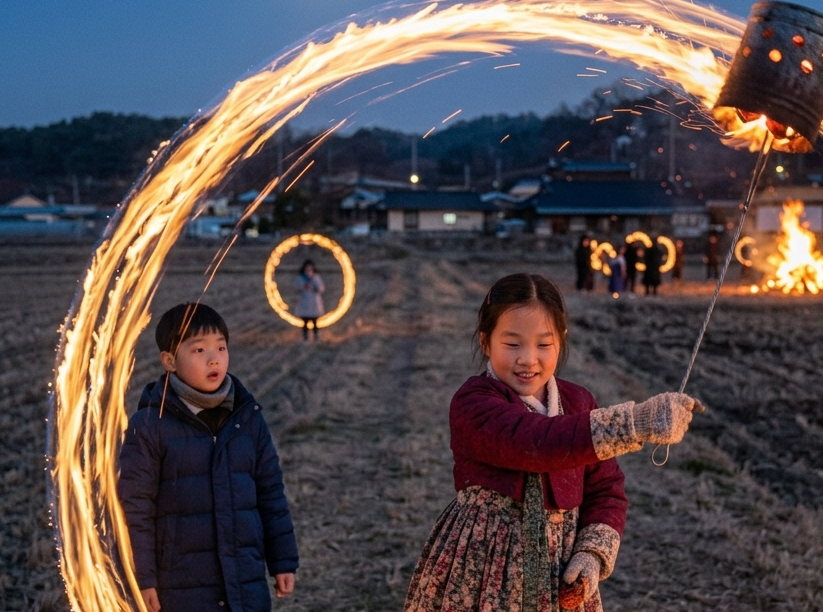
Illustration of children swinging burning cans in a winter field at night

Every English guide to jwibulnori (쥐불놀이) files it in the same drawer: a folk ritual performed on the first full moon of the lunar year, when farmers burned the edges of their rice paddies to drive out rats and pests. That is where the game comes from. It is not what it was when I … Read more

Malttukbakgi: The Korean Schoolyard Game That Got More Dangerous Every Year

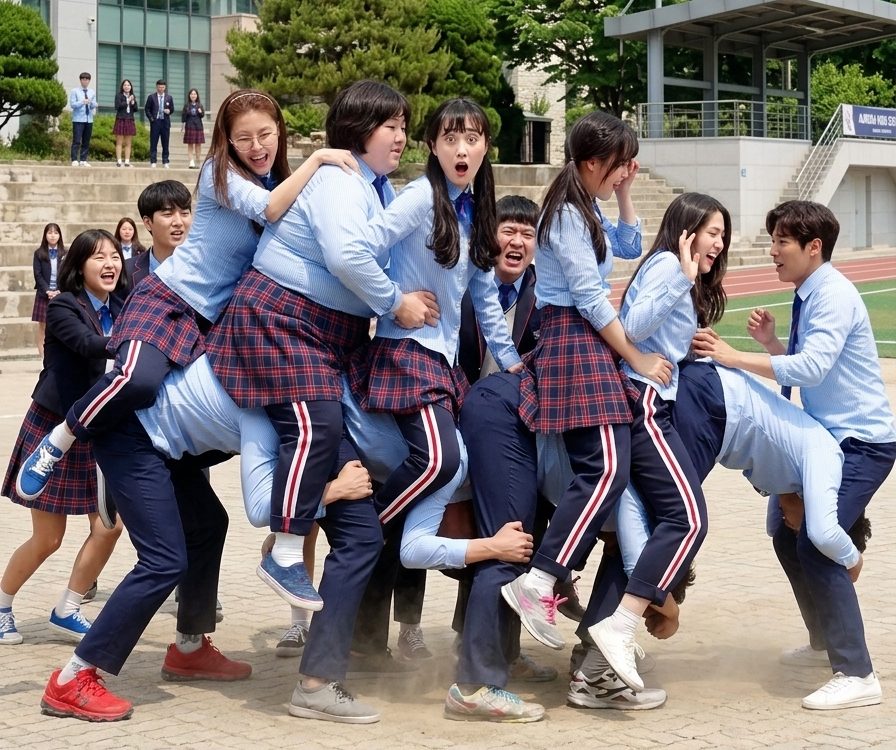
A group of children playing Malttukbakgi, forming a human bridge while others leap onto their backs

Malttukbakgi (말뚝박기) is the Korean schoolyard game where one team bends over in a line and the other team runs and jumps on top of them. If that sounds less like a game and more like an accident waiting to happen, you have understood it correctly. It was also, for boys of my generation, one … Read more

How to Play Paengi Chigi: The Version Korean Kids Actually Grew Up With

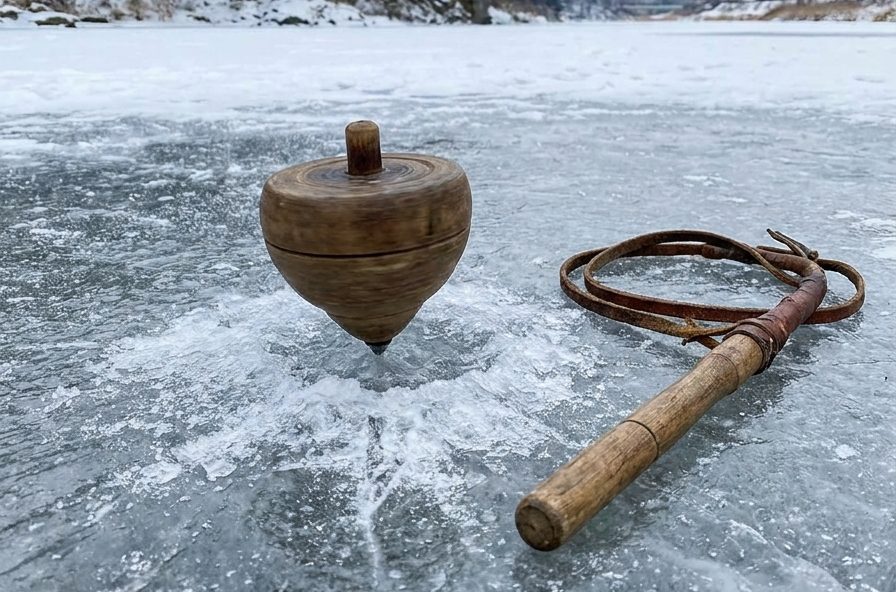
A wooden Korean spinning top and a whip on a patch of ice in winter

If you search for how to play paengi chigi, almost every guide shows you the same scene: a child on frozen ground in winter, striking a wooden top with a small whip to keep it spinning. That version is real, and it is old. It is also not the game I played. I grew up … Read more

How to Play Yutnori: The Korean Game That Runs on a Full House

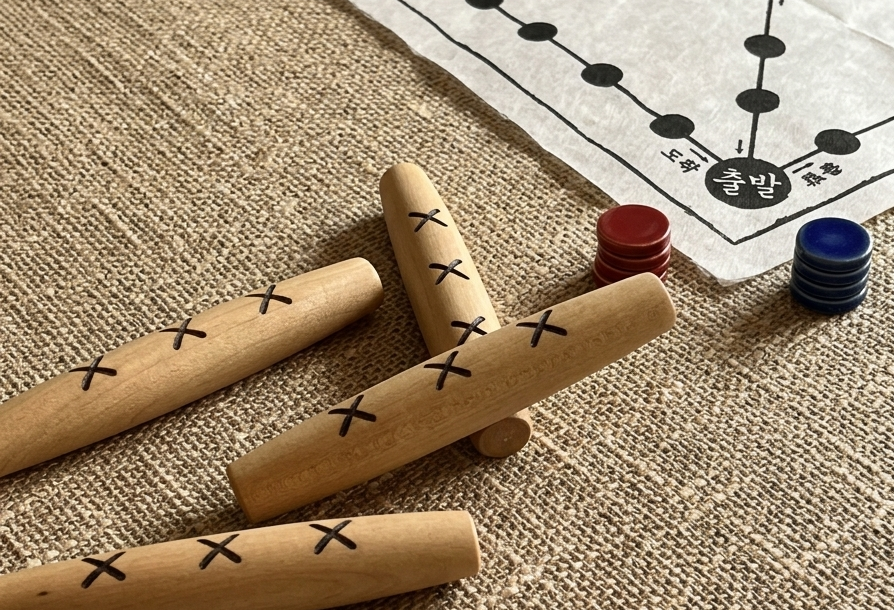
Four wooden yut sticks and a paper yutnori board laid out on the floor

Every guide that explains how to play yutnori gets the rules right and the game wrong. The rules take about four minutes to learn. Four wooden sticks, a board of twenty-nine stations, four pieces per side, first side to bring all four home wins. That is genuinely all of it. What the rules do not … Read more